Forced to pivot to a digital rally by severe weather, the Prime Minister launched a massive infrastructure rollout in Bodoland designed to consolidate indigenous votes and crush the opposition ahead of the April assembly polls.
 Brajesh Mishra
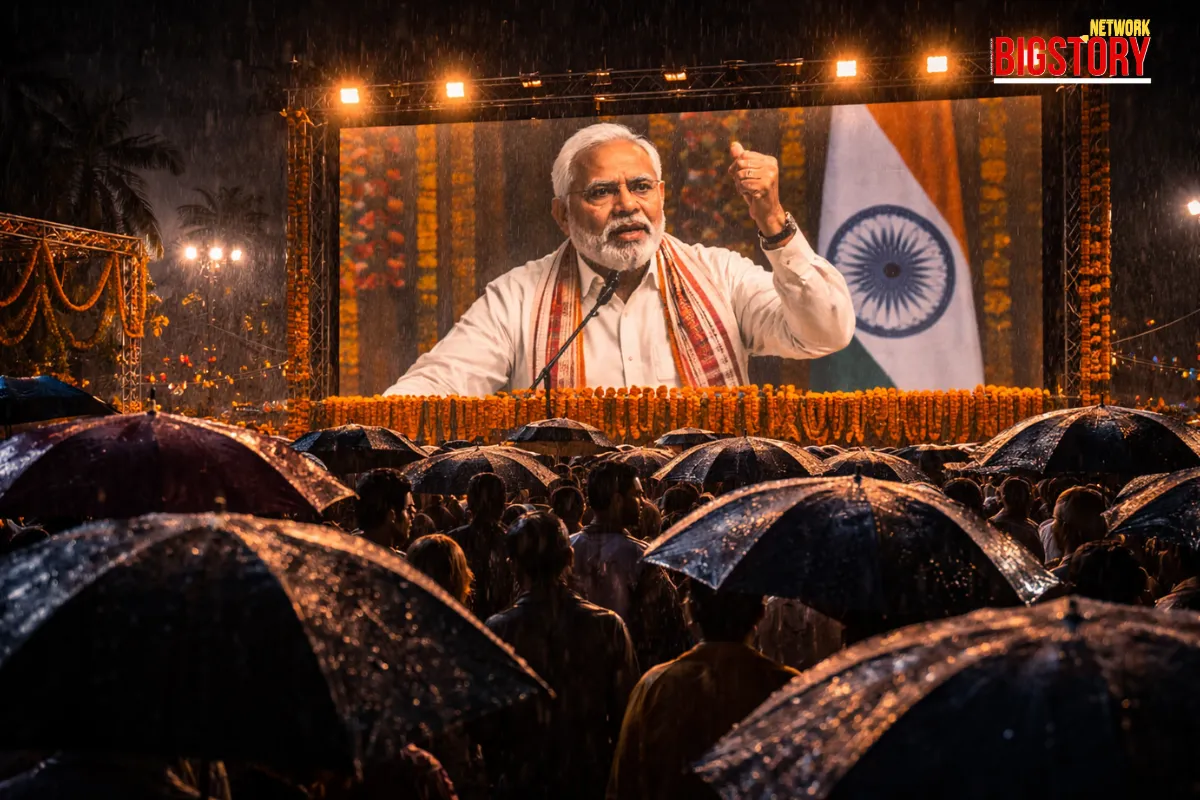
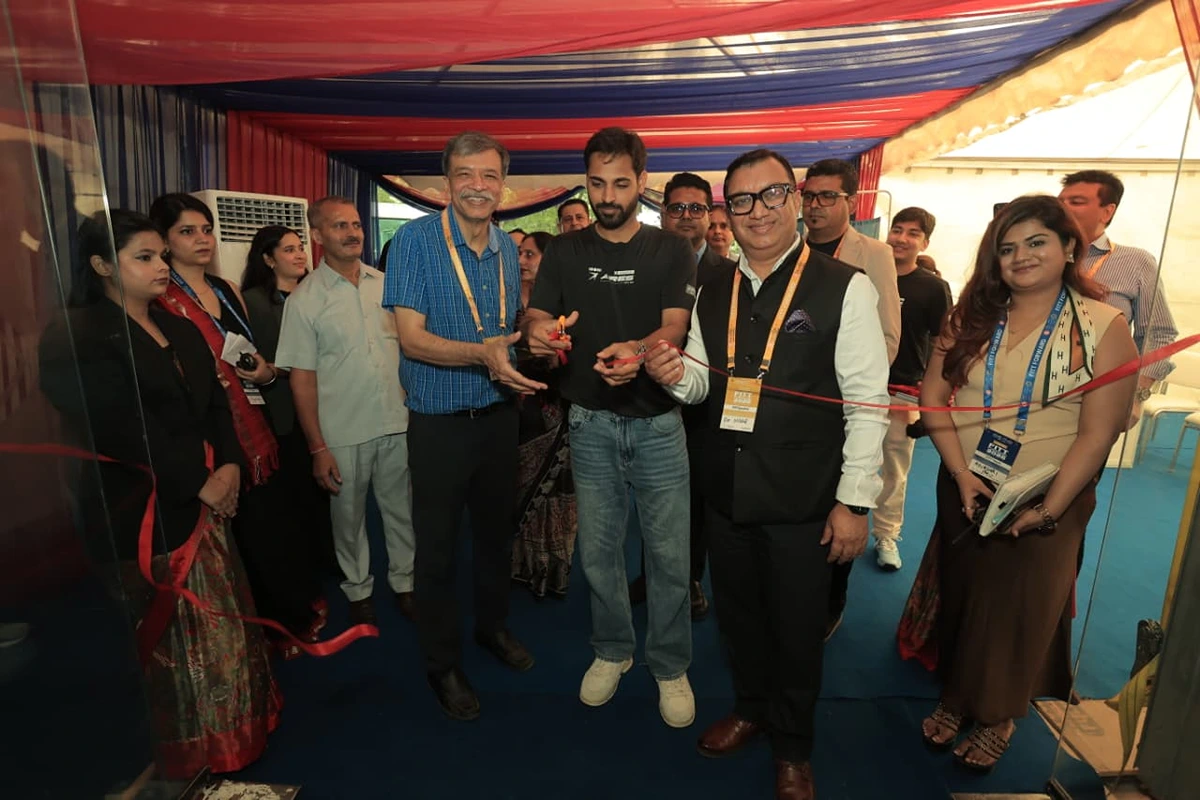
What happened: PM Modi virtually launched development projects worth over ₹4,570 crore for Assam's Kokrajhar district from Guwahati after heavy rain cancelled his physical visit.
Why it happened: The inauguration is part of a massive ₹47,700-crore statewide infrastructure push by the ruling government just weeks ahead of the April 2026 Assam Assembly elections.
The strategic play: By heavily funding the Bodoland Territorial Region and distributing land rights to tea garden workers, the BJP is actively consolidating the indigenous and tribal vote banks while accusing the opposition of protecting infiltrators.
India's stake: Transforming the historically volatile Bodo belt through major road networks (Assam Mala 3.0) and rail infrastructure is critical for cementing the 2020 peace accord and integrating the Northeast's economy.
The deciding question: Will this multi-billion dollar infrastructure blitz be enough to secure a historic third consecutive term for the BJP government in Assam?
The starting gun for the highly charged April 2026 Assam Assembly elections has officially been fired. On Friday, Prime Minister Narendra Modi overcame severe weather disruptions to virtually launch the pm modi virtual projects assam 2026 initiative, unveiling a staggering ₹4,570 crore development package for the Kokrajhar district. The digital pivot, broadcast from Guwahati after heavy rains grounded his helicopter, serves as the opening salvo in a monumental ₹47,703-crore statewide infrastructure blitz.
This is not a routine developmental visit. By directly targeting the historically volatile Bodoland Territorial Region with massive capital expenditure—and simultaneously handing out historic land rights to marginalized tea garden workers—the BJP is aggressively weaponizing its 2020 peace accords. The ruling party aims to transform brick-and-mortar infrastructure into an impenetrable indigenous vote bank to secure a historic third consecutive term.
Narendra Modi, Prime Minister of India Despite the rain, the Prime Minister launched an aggressive political attack against the Congress party, accusing them of historically neglecting Bodoland and allowing infiltrators to encroach on indigenous lands. He framed the new infrastructure as proof that the "days of guns and bomb blasts" have been replaced by peace and development.
Himanta Biswa Sarma, Chief Minister of Assam Sarma is actively overseeing the execution of the ₹47,703 crore infrastructure rollout. As the chief architect of the BJP's electoral dominance in the Northeast, he is leveraging these massive state and central funds to aggressively campaign for a third consecutive term.
Bodoland Territorial Council (BTC) This autonomous district council is the primary beneficiary of Friday's ₹4,570 crore package, which includes a ₹255 crore railway overhauling workshop, four flyovers, and two vital bridges intended to cement the peace dividend following the historic 2020 Bodo Accord.
Mainstream coverage is predictably focused on the itemized list of inaugurated projects, the distribution of the 22nd PM-KISAN installment to over 9.3 crore farmers nationwide, and the weather anomalies that forced the PM's event onto digital screens. But reading this as a standard developmental tour misses the precise, surgical electoral strategy at play.
The intense focus on Kokrajhar and the Bodoland Territorial Region (BTR) is a highly calculated weaponization of the "Peace Dividend." For decades, the Bodo belt was paralyzed by militant violence and separatism. By pouring thousands of crores into the region—such as the ₹255 crore railway workshop—the BJP is transforming infrastructure into tangible, physical proof of its 2020 Bodo Peace Accord. The Prime Minister explicitly contrasted this development with the opposition's legacy of signing "paper accords" and fostering illegal infiltration. This isn't just about building roads; it is a deliberate move to consolidate the critical indigenous tribal vote bank and effectively permanently lock the opposition out of the BTR.
If the ruling party can successfully replace decades of ethnic militancy with billions in highway contracts, can the opposition ever reclaim its historical strongholds in the Northeast?
News & Wire Coverage:
Official Statements & Data:
 Exclusive Content






Sign up for the Daily newsletter to get your biggest stories, handpicked for you each day.


 Trending Now! in last 24hrs