APJ Abdul Kalam sold newspapers before dawn to fund his education and was rejected by the Air Force before he built India's missile programme. This is the thinking that made both possible.
 Rashmeet Kaur Chawla
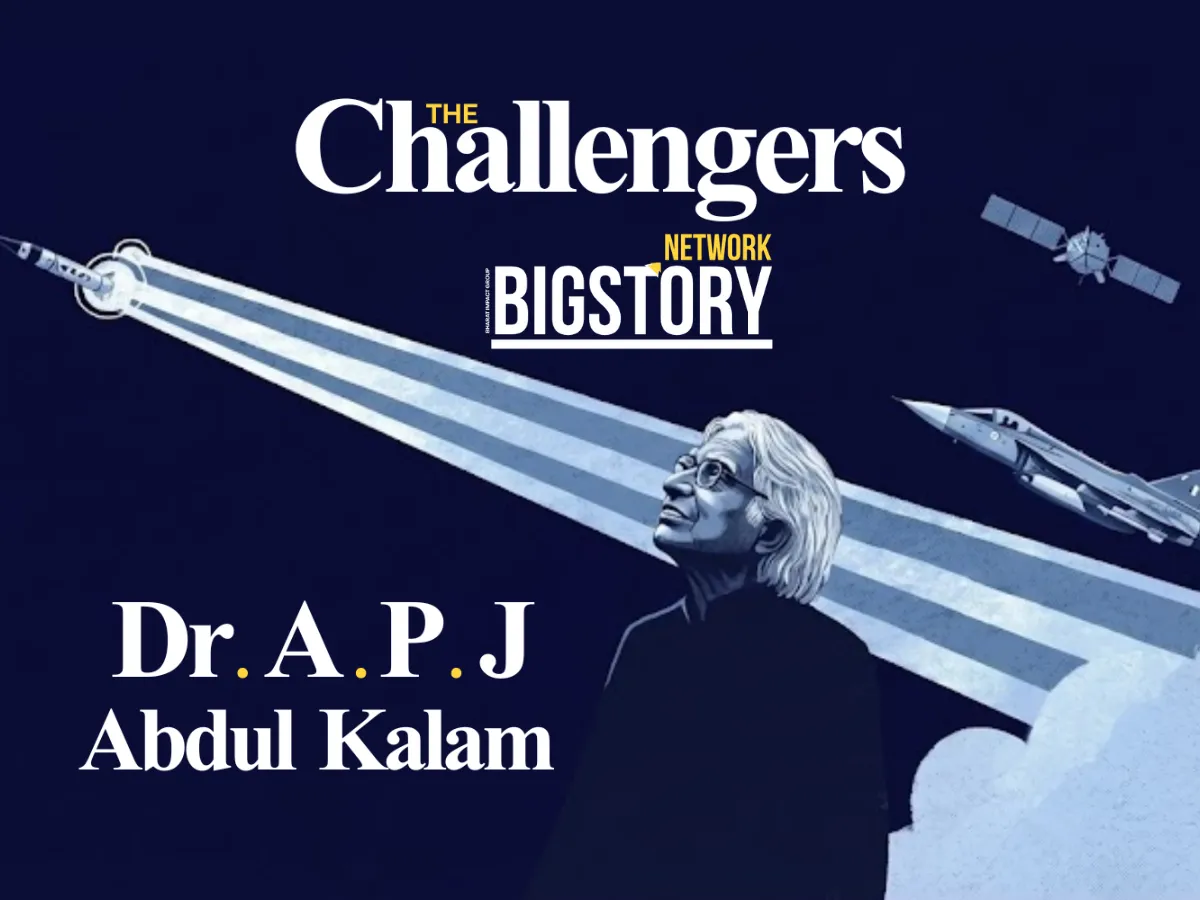
Dr. Avul Pakir Jainulabdeen Abdul Kalam remains one of India's most beloved figures, earning the title "Missile Man of India" and "People's President" through decades of transformative scientific leadership. His journey from selling newspapers in a small Tamil Nadu island town to becoming India's 11th President exemplifies how determination, education, and visionary thinking can reshape both individual destiny and national trajectory.
Born on October 15, 1931, in Rameswaram, a pilgrimage island off Tamil Nadu's southeastern coast, Abdul Kalam entered a world of economic hardship. His father, Jainulabdeen Marakayar, operated a ferry service transporting pilgrims across the Pamban Strait. However, when the Pamban Bridge opened in 1914, the ferry business collapsed, forcing the family into financial difficulty.
Key Childhood Details:
Young Kalam walked several miles daily to attend Schwartz Higher Secondary School in Ramanathapuram. His academic journey was marked by persistent self-study, borrowing books from neighbors like Iyadurai Solomon, who recognized the boy's intellectual hunger.
The turning point came during a 1941 physics lesson when his teacher drew a bird in flight on the blackboard, explaining aerodynamics. This moment crystallized Kalam's passion for aerospace engineering, planting seeds that would eventually grow into India's missile and space programs.
After completing school education, Kalam pursued physics at St. Joseph's College, Tiruchirappalli, before enrolling at the prestigious Madras Institute of Technology (MIT) in 1954 to study aerospace engineering. At MIT, Professor S. Pondicherry became a crucial mentor, refining Kalam's technical capabilities and pushing him toward excellence.
In 1958, Kalam faced rejection from the Indian Air Force fighter pilot program, a devastating blow for someone who dreamed of flight since childhood. Seeking clarity, he traveled to Rishikesh where a spiritual experience redirected his ambition. Rather than piloting aircraft, he would design them and beyond—missiles that would defend the nation.
Joining the Indian Space Research Organisation (ISRO) under the legendary Vikram Sarabhai, Kalam directed the Satellite Launch Vehicle (SLV-III) project. The first launch attempt in 1979 ended in failure over the Bay of Bengal. In a defining leadership moment, Kalam took full public responsibility, shielding his 400-member team from criticism.
The resilience paid off. On July 18, 1980, SLV-III successfully placed the Rohini satellite into orbit, making India the sixth nation with indigenous satellite launch capability.
In 1983, Kalam spearheaded the IGMDP, India's most ambitious defense technology initiative. Despite international sanctions, he led the development of five missile systems at the DRDO:
Kalam played a crucial advisory role in India's second nuclear tests at Pokhran in May 1998, known as Operation Shakti. His technical expertise and strategic counsel helped India join the nuclear weapons states, fundamentally altering South Asian security dynamics.
Elected as India's 11th President in 2002, Kalam brought unprecedented accessibility to the office. He became the first President to maintain direct connection with citizens, particularly youth, visiting over 100 schools and colleges during his term.
Dr. Kalam authored several influential books:
On July 27, 2015, Dr. Kalam collapsed from cardiac arrest while delivering a lecture at IIM Shillong on "Creating a Livable Planet Earth." He died doing what he loved most—teaching and inspiring young minds.
The greatest lesson from Dr. A.P.J. Abdul Kalam's extraordinary journey isn't found in the missiles he built — it lies in the three timeless principles that powered his rise: courage, commitment, and vision. Kalam proved that your starting point doesn't determine your destination. From the shores of Rameswaram to the halls of Rashtrapati Bhavan, his life stands as a powerful challenge: What if your dreams became your most potent weapon against impossibility?
More than his technical achievements in missiles and satellites, Kalam's greatest legacy lives in the millions he inspired to dream bigger, work harder, and believe that dedication combined with purpose can indeed change the world.
The Challenge He Left Behind: What if we stopped seeing barriers as roadblocks and started treating them as stepping stones? What if our dreams became our most potent weapons against impossibility?
 Exclusive Content



Sign up for the Daily newsletter to get your biggest stories, handpicked for you each day.


 Trending Now! in last 24hrs