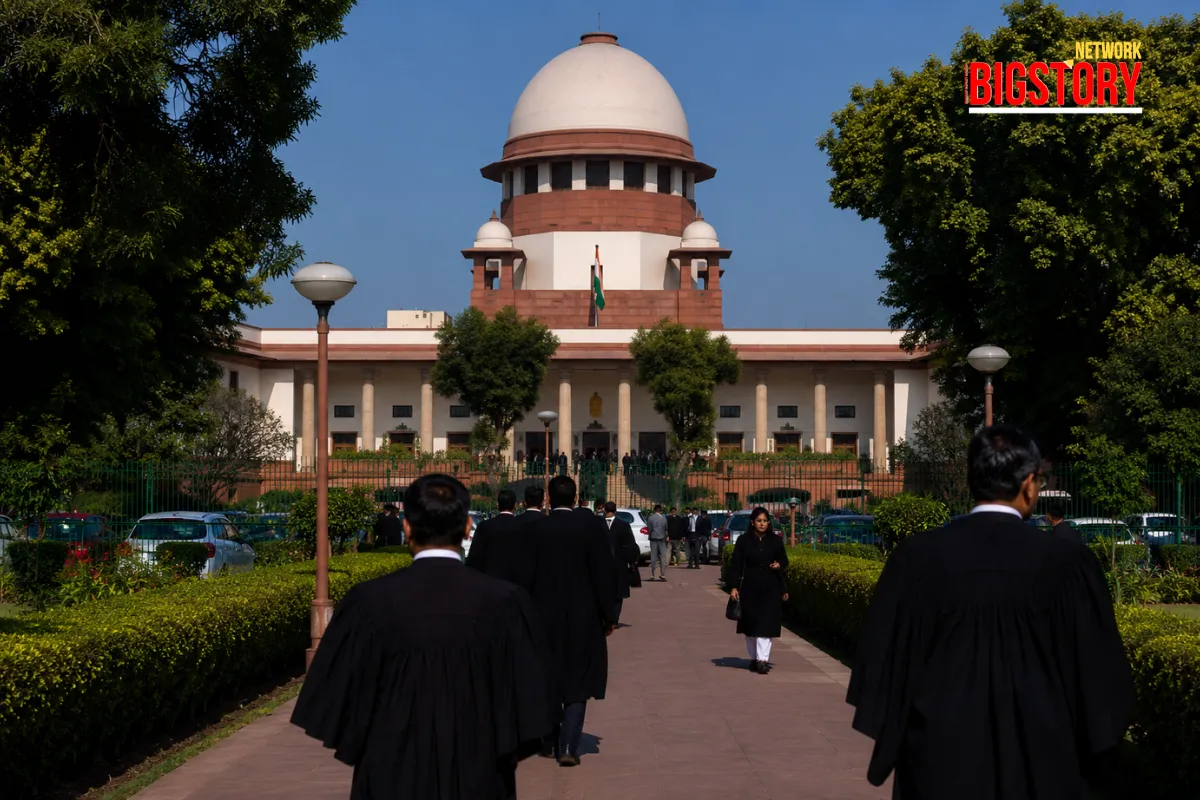
Reviewing a four-decade timeline that forced a petitioner to spend his entire adult life under the shadow of a conviction, the apex court demands systemic overhauls while rejecting administrative shortcuts.
 Brajesh Mishra
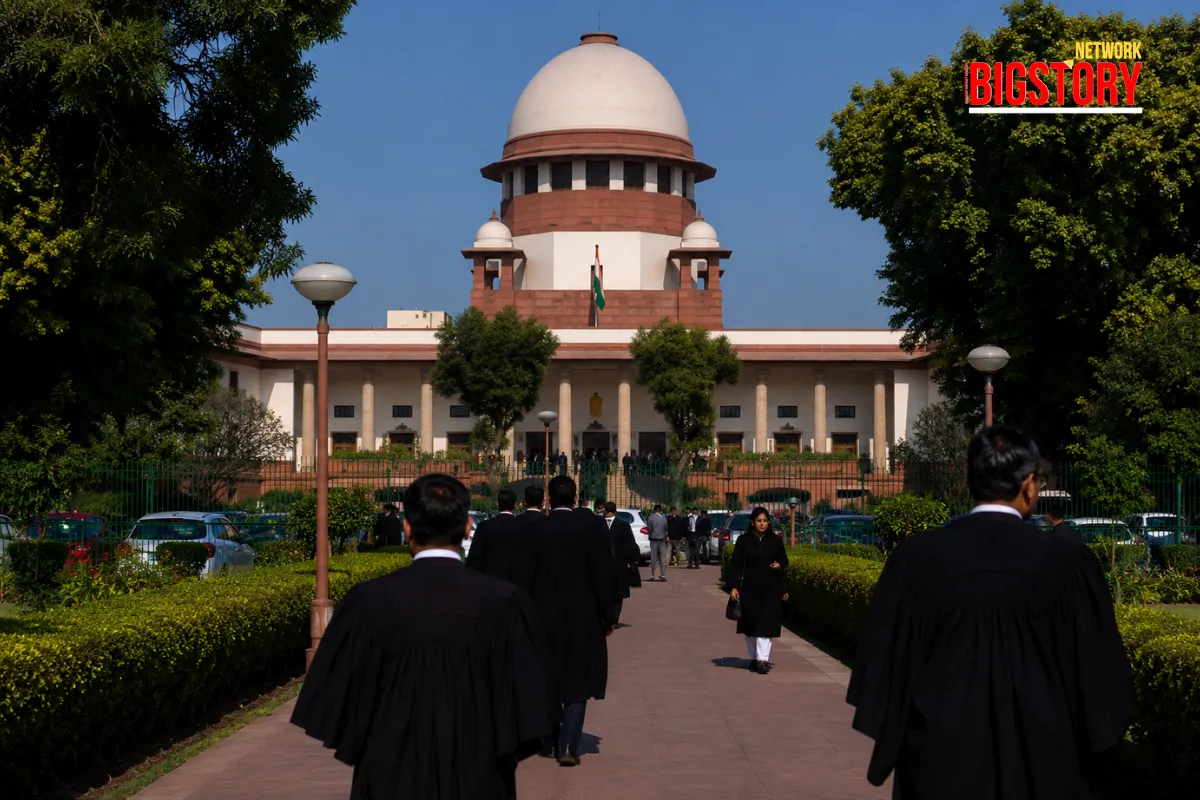
• What happened: The Supreme Court expressed deep concern over an extraordinary 41-year delay by the Allahabad High Court in disposing of a criminal appeal filed by a murder convict.
• The human cost: The case centers around 72-year-old Vijay Singh, who has lived under the shadow of his 1985 conviction through youth, middle age, and old age before his appeal was summarily dismissed in February 2026.
• The judicial order: A bench comprising Justices Prashant Kumar Mishra and A.S. Chandurkar intervened to protect the petitioner’s liberty, ordering his bail to continue during the top court's proceedings.
• The strategic play: The apex court explicitly rejected a proposal to automatically dismiss decades-old prosecution appeals to clear backlogs, ruling that administrative delays cannot justify denying a fair trial.
• The deciding question: As the Supreme Court urgently seeks structural measures from senior advocates to clear legacy cases, can India’s largest high court implement effective solutions without compromising public interest?
The highest court in the country has expressed deep concern over a staggering failure of the judicial timeline. On Monday, June 8, 2026, the Supreme Court flagged an extraordinary 40-year delay by the Allahabad High Court in disposing of a criminal appeal filed by a murder convict. Describing the situation as "disturbing," the apex court used the high-profile hearing to question what innovative, systemic measures could be adopted to address the mounting pendency that continues to severely clog the justice delivery system in India's largest high court.
The agonizing case centers around Vijay Singh, who was just 28 years old when he was arrested in November 1983 for allegedly shooting his brother dead. A sessions court in Kanpur subsequently convicted him of murder and sentenced him to life imprisonment in December 1985. Following his conviction, Singh immediately challenged the verdict before the Allahabad High Court. However, his appeal languished unresolved in the judicial registry for nearly 41 years before being summarily dismissed through a 20-page judgment delivered on February 9, 2026.
In his appeal to the Supreme Court, Singh's counsel highlighted that the petitioner is now 72 years old. For over four decades, stretching across his youth, middle age, and now old age, he has lived continuously under the dark shadow of that conviction.
A bench comprising Justices Prashant Kumar Mishra and A.S. Chandurkar reviewed the procedural history and immediately intervened to protect the petitioner's liberty. The top court noted the extreme irregularity that Singh had only spent about three months in actual physical custody and had remained out on bail for almost 43 years while waiting for his appeal's outcome. The bench officially ordered the continuation of his bail during the pendency of proceedings before the Supreme Court.
Voicing intense concern over the recurring issue of prolonged legacy delays in the Allahabad High Court, Justice Mishra actively sought actionable suggestions from senior advocate Siddharth Dave and advocate Zoheb Hossain on possible structural measures to accelerate the disposal of old cases.
While mainstream legal reporting will focus heavily on the human-interest aspect of a 72-year-old man waiting four decades for an appeal, the "Missed Angle" in this legal development is the Supreme Court's firm refusal to prioritize statistical docket cleanup over actual substantive justice.
During the hearing, senior advocate Siddharth Dave suggested a drastic measure to dramatically reduce the high court's backlog: automatically dismissing all prosecution appeals that have been pending for more than three decades.
The bench immediately shot down the proposal. They explicitly ruled that the fundamental principles of adjudication do not permit the dismissal of cases solely based on prolonged pendency. The justices cautioned that employing such administrative "shortcuts" to clear the judicial dockets could severely harm public interest, unfairly depriving victims and the state of an opportunity to present their case.
By taking this hardline stance, the Supreme Court sent an unmistakable message to all High Courts across the country: an administrative failure by the state machinery to hear a case cannot be used as a valid legal justification to deny a fair trial. The resolution to India's crippling judicial backlog must come through systemic scaling and process acceleration, not by slamming the courtroom doors shut on legacy files.
• Supreme Court of India: Official Judgment Archives, Daily Cause Lists, and Case Status Trackers
• High Court of Judicature at Allahabad: Official Case Status, Legacy Pendency Data, and Bench Orders
• The Hindu: National Bureau, Legal Correspondents, and Judicial Reform Analyses
• The Indian Express: Section India, Courts and Law Desk, and Systemic Backlog Coverage
 Exclusive Content






Sign up for the Daily newsletter to get your biggest stories, handpicked for you each day.



 Trending Now! in last 24hrs