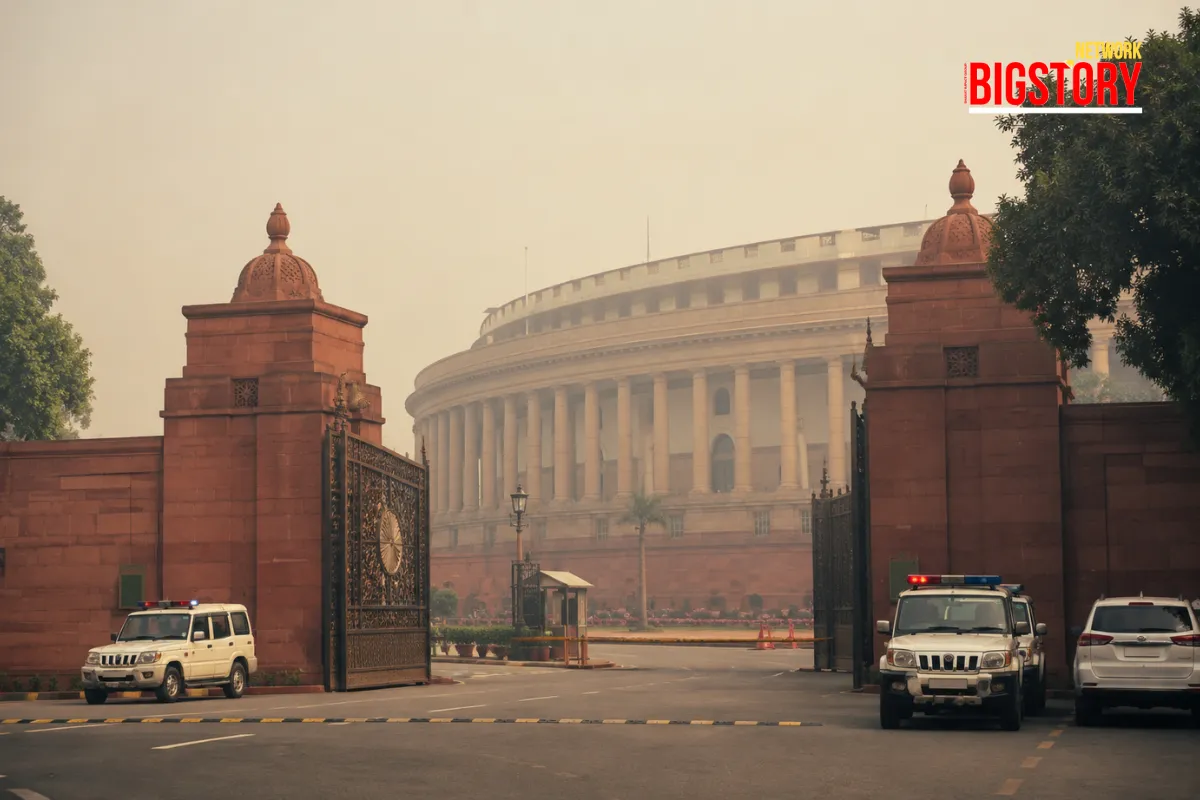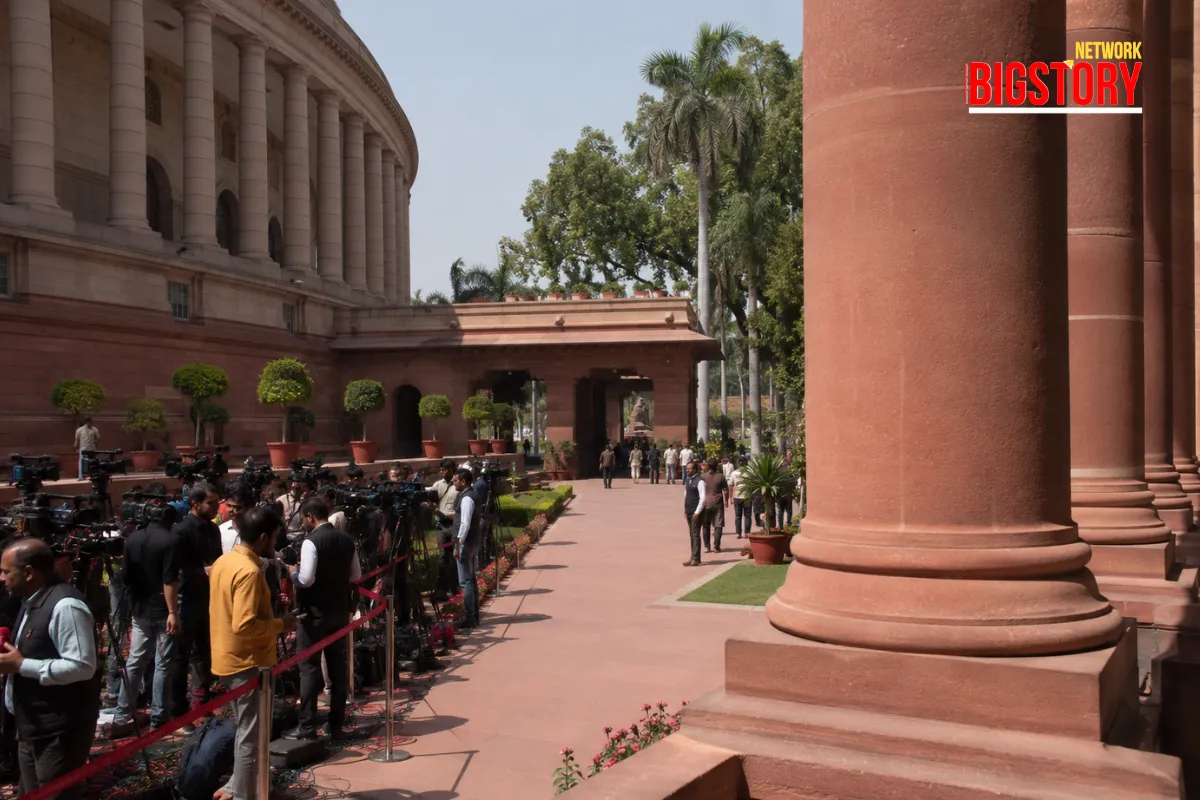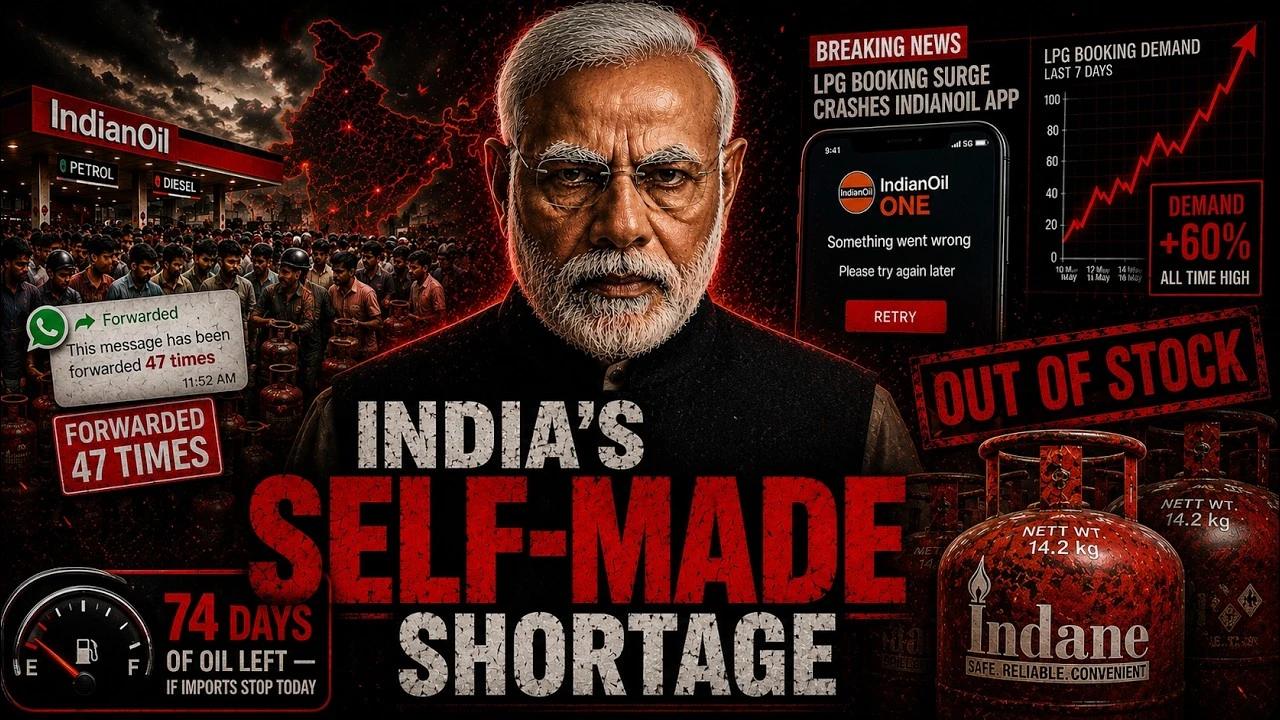
In his March 24 Rajya Sabha speech, PM Modi detailed India's 53 lakh metric tonne strategic oil reserve and the expansion of energy imports to 41 countries.
 Brajesh Mishra
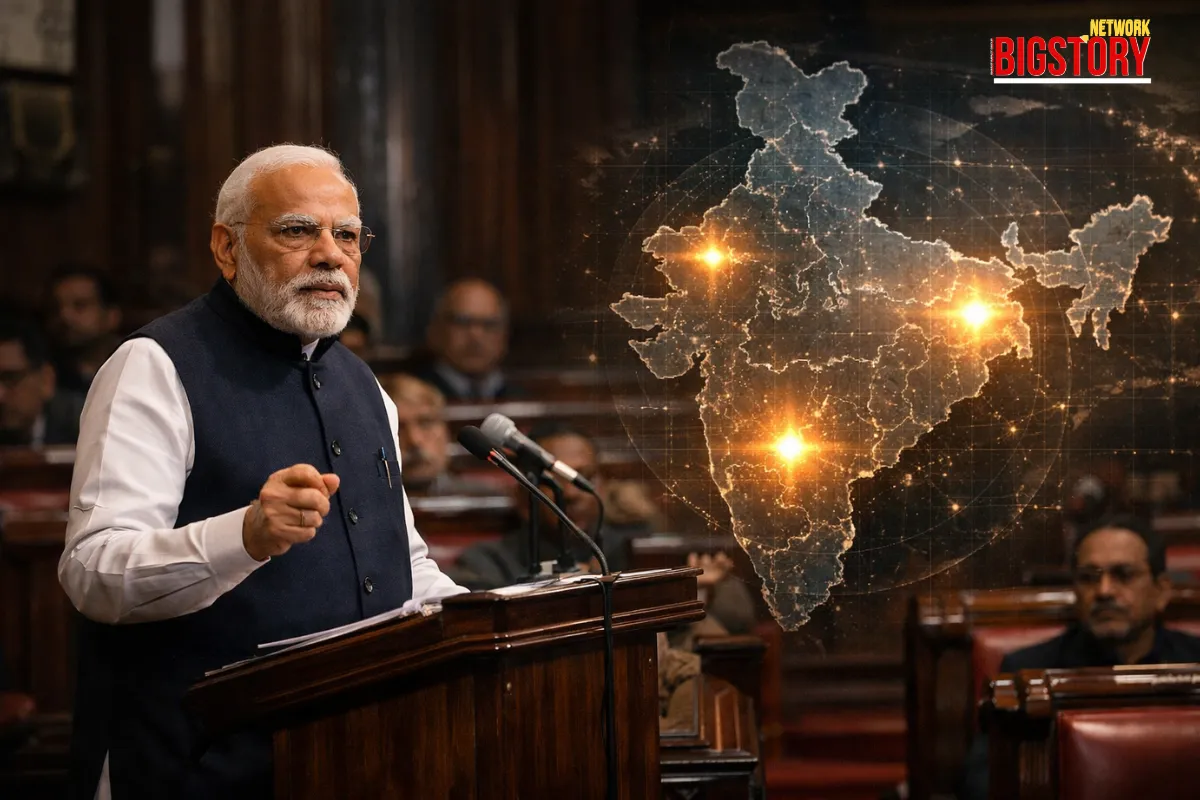
What happened: PM Narendra Modi addressed the Rajya Sabha on March 24, 2026, assuring that India has "adequate crude oil storage" and a robust "resilience strategy" to face the West Asia crisis.
Why it happened: With the Strait of Hormuz facing severe disruptions, concerns about India's fuel and fertilizer security reached a peak in the ongoing Budget Session.
The strategic play: The PM highlighted that India's 53 lakh metric tonne Strategic Petroleum Reserve, combined with a 20% ethanol blending rate and an expanded import base of 41 countries, protects the nation from immediate supply shocks.
India's stake: By prioritizing domestic LPG use and tapping into a refining capacity that has surged over the last decade, the government aims to insulate Indian households and farmers from global price spikes.
The deciding question: As the war enters its fourth week, will India's tactical reliance on strategic caverns be enough to outlast a potentially prolonged regional blackout?
Following his high-stakes address to the Lok Sabha, Prime Minister Narendra Modi spoke in the Rajya Sabha today to provide a comprehensive technical update on India's energy "resilience strategy." He assured the nation that despite the "worrisome" West Asia conflict and the effective blockade of the Strait of Hormuz, India's strategic preparations over the last decade have created a robust buffer against a total energy blackout.
The Prime Minister’s address aimed to calm volatile markets, explicitly detailing the nation’s "emergency fuel bank" and the structural shifts that have decoupled India’s growth narrative from the immediate chaos in the Persian Gulf.
The centerpiece of the PM's speech was the current status of the Indian Strategic Petroleum Reserve (SPR). Managed by the Indian Strategic Petroleum Reserve Limited (ISPRL), these underground cavern facilities in Visakhapatnam, Mangaluru, and Padur represent the nation's primary physical defense against supply disruptions.
"In the last 11 years, strategic petroleum reserves have been developed to more than 53 lakh metric tonnes, and work is underway to expand them to over 65 lakh metric tonnes," the PM informed the House. This Phase I volume provides a critical safety net as the conflict enters its fourth week, ensuring that essential services and the military remain fueled even if commercial imports face further delays.
While mainstream media remains fixated on the 53 lakh tonne physical storage capacity, the true "Missed Angle" in the PM's address is the success of demand-side resilience—what can be termed the "Virtual Reserve."
By highlighting the fact that 20% ethanol blending alone is saving India approximately 4.5 crore barrels of oil imports annually, the Prime Minister argued that India has essentially "manufactured" a significant portion of its own oil reserve through efficiency. Coupled with the electrification of Indian Railways—which saves 180 crore litres of diesel per year—every drop of fuel not used for transport is a drop that stays in the strategic caverns for emergency civilian use. This multi-pronged approach differentiates India's current preparedness from the 1970s oil shocks: it isn't just about how much we have stored, but how little we actually need to take from the stores to keep the lights on.
If India can maintain its growth rate while the world’s primary energy artery is blocked, has the era of Gulf-dependency finally come to an end?
News & Wire Coverage:
 Exclusive Content





Sign up for the Daily newsletter to get your biggest stories, handpicked for you each day.

 Trending Now! in last 24hrs