
Rescue teams comb through rubble and landslides across southern Mindanao as a devastating 7.8-magnitude offshore earthquake displaces tens of thousands and triggers a regional medical crisis.
 Sseema Giill
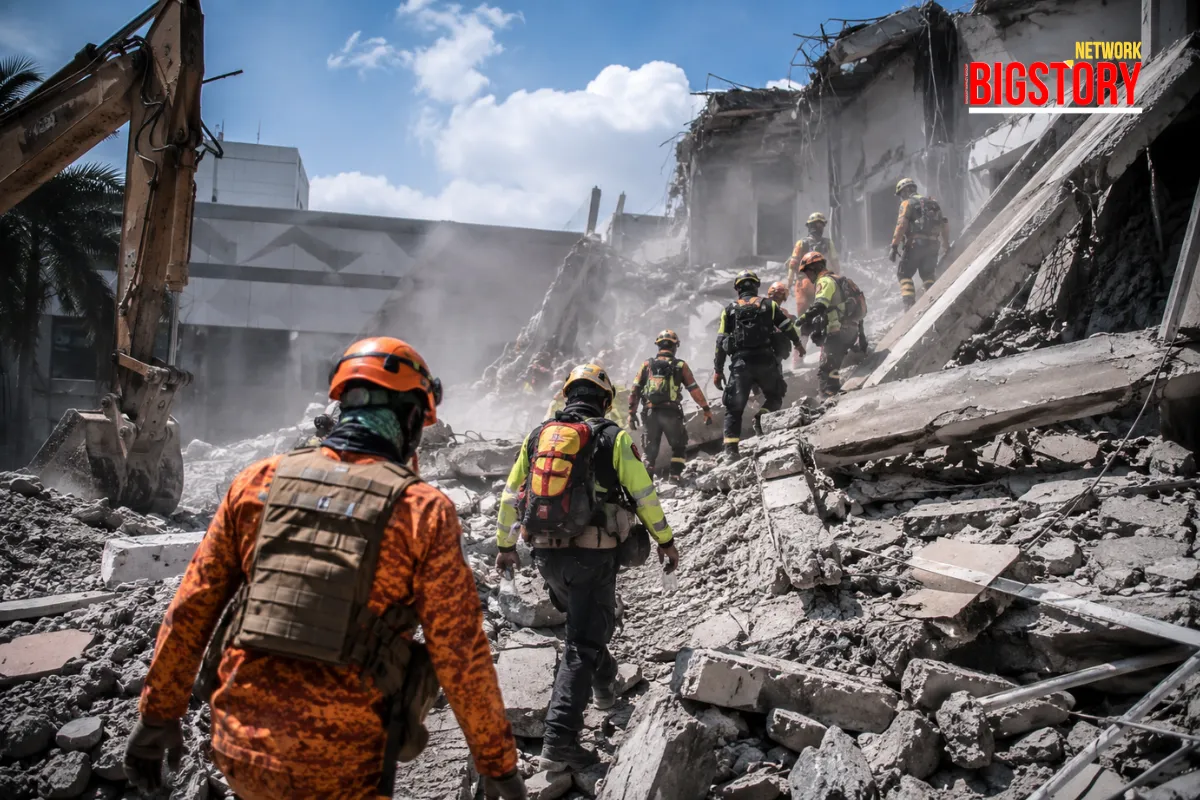
• What happened: The death toll from a massive 7.8-magnitude earthquake that struck the southern Philippines on Monday has climbed to 37 as rescuers frantically search for survivors.
• Why it matters: The tectonic tremor has injured nearly 500 people, displaced over 32,000 residents, and caused widespread destruction to homes, schools, and critical infrastructure across Mindanao.
• The strategic play: With over 1,100 aftershocks recorded, disaster response teams are rushing to shelter the displaced, while damaged hospitals are being forced to treat trauma patients in outdoor, makeshift environments.
• The tsunami scare: Initial tsunami warnings across the Philippines, Indonesia, and Malaysia were lifted after waves peaking at 1.5 meters subsided without causing catastrophic coastal surges.
• The aftermath: Search and retrieval operations are intensely focused on collapsed commercial buildings in General Santos City and landslide-hit mountainous regions like Glan.
Rescue teams are in a desperate race against time in the southern Philippines following a catastrophic 7.8-magnitude earthquake. Combing through the rubble of collapsed buildings and massive landslides on Tuesday, June 9, 2026, authorities confirmed that the death toll has risen to 37, with four individuals still reported missing and nearly 500 injured.
The massive quake, which struck early Monday morning off the coast of Sarangani province, has left a trail of immense structural destruction across Mindanao, displacing tens of thousands and triggering a highly volatile regional medical crisis.
Emergency responders and civil defense teams are currently concentrating their search, rescue, and retrieval operations in General Santos City—known as the country's tuna capital—and the mountainous town of Glan, where a severe landslide buried several homes.
According to the Office of Civil Defense (OCD), the majority of the fatalities occurred within the heavily hit Soccsksargen region.
At least 479 people sustained injuries, primarily from falling debris as concrete walls, commercial complexes, and older residential homes suddenly gave way during the prolonged tremors.
The 7.8-magnitude tectonic tremor, driven by violent subduction along the Cotabato Trench, triggered immense infrastructural damage across the southern islands.
While mainstream coverage is focused heavily on the immediate search and rescue metrics, the "Missed Angle" in the aftermath is the severe vulnerability of the region's critical healthcare infrastructure.
The earthquake has heavily damaged multiple major hospitals across the affected provinces. Fearing that these structurally compromised medical buildings will collapse under the weight of the 1,100+ aftershocks recorded since Monday, medical personnel have been forced to completely evacuate their facilities.
Doctors and nurses are currently treating hundreds of critical trauma patients in makeshift outdoor environments, such as unpaved parking lots and temporary canvas tents. This dynamic exposes the injured to further environmental risks and highlights a glaring flaw in disaster preparedness along the Pacific "Ring of Fire". While effective evacuation protocols exist for coastal residents facing tsunamis, the structural resilience of the very hospitals meant to treat mass casualties remains dangerously inadequate.
• Office of Civil Defense (OCD) Philippines: Official Disaster Bulletins, Casualty Reports, and Relief Updates
• Philippine Institute of Volcanology and Seismology (PHIVOLCS): Earthquake Information, Tsunami Bulletins, and Aftershock Tracking
• The Philippine Star: Mindanao Regional Bureau, Disaster Response, and Infrastructure Damage Trackers
• Reuters: Asia Pacific Disaster Coverage and International Aid Trackers
 Exclusive Content






Sign up for the Daily newsletter to get your biggest stories, handpicked for you each day.



 Trending Now! in last 24hrs