Just 24 hours after New Delhi suspended bilateral talks to protest Washington's ultimatums, the resignation of America's top intelligence official provides India with massive geopolitical cover to maintain its strategic autonomy.
 Sseema Giill
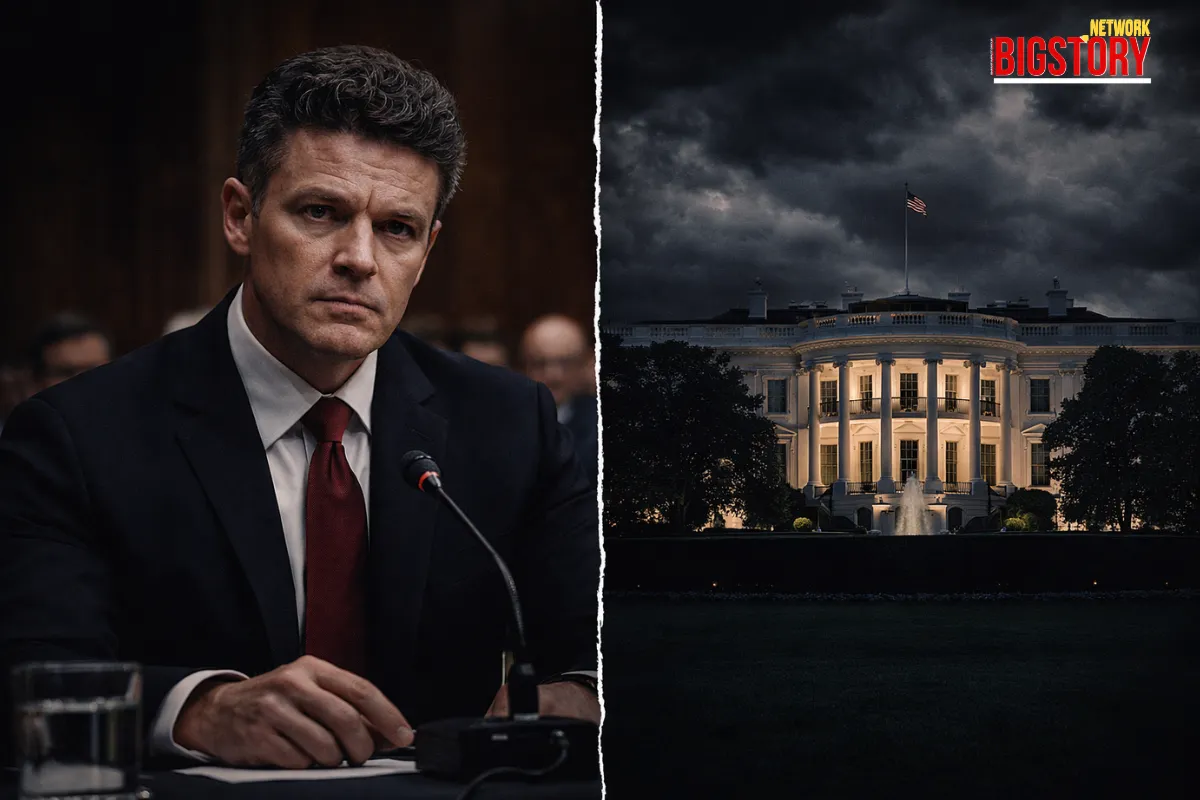
What happened: Joe Kent, the director of the US National Counterterrorism Center, resigned in protest over the ongoing US-Israel war against Iran.
Why it happened: In a highly critical resignation letter, Kent stated that Iran posed no imminent threat to the US and accused Israel of running a misinformation campaign to manipulate President Trump into starting the war.
The strategic play: The resignation of a top intelligence official and combat veteran exposes massive fractures within the administration's "America First" base regarding the justification for Middle Eastern military intervention.
India's stake: Kent's bombshell admission perfectly validates India's recent refusal to join the US naval coalition in the Strait of Hormuz, providing New Delhi with powerful diplomatic ammunition to defend its neutral stance.
The deciding question: Will this unprecedented internal revolt force the White House to scale back Operation Epic Fury, or will it trigger a massive purge within the US intelligence community?
A massive internal fracture has just erupted within the absolute highest echelons of the United States intelligence apparatus, sending shockwaves across the globe and directly validating India's recent defiance of Washington. On Tuesday, Joe Kent, the director of the US National Counterterrorism Center (NCTC), abruptly resigned in protest of "Operation Epic Fury." In a scathing public letter, the nation's top counterterrorism official explicitly claimed that Iran posed no imminent threat to America, accusing Israel and its powerful US lobby of deploying a "misinformation campaign" to manipulate President Donald Trump into an unnecessary, disastrous war.
The resignation of a decorated Green Beret and Gold Star husband completely shatters the White House's official justification for the escalating Middle Eastern conflict. More importantly for New Delhi, it provides immediate, bulletproof diplomatic cover for India's controversial decision to prioritize its own energy security over American military demands.
US and European media are understandably focusing their coverage entirely on the domestic political fallout for the Trump administration and the shockwaves rippling through the MAGA base. However, this Western-centric view completely ignores the massive geopolitical ripple effect this resignation has on the Indo-Pacific—specifically, the ultimate vindication of India's defiance.
Just 24 hours ago, India suspended bilateral talks with the US, refusing to bow to Trump's ultimatum demanding mandatory participation in the Strait of Hormuz naval coalition. New Delhi took a massive risk by prioritizing its oil transit agreements with Tehran over Washington's military objectives.
With the very head of US counterterrorism now publicly declaring that the war is a manufactured conflict serving foreign interests rather than actual global security, New Delhi's defiant stance is completely validated. India can now seamlessly weaponize Kent's resignation on the global diplomatic stage. The Ministry of External Affairs can effectively argue that it is entirely unreasonable for Washington to demand that allied nations endure crippling economic sacrifices and domestic fuel crises for a war that America's own intelligence chiefs refuse to support.
If the man whose sole job is to identify threats to the United States says the target wasn't a threat, who is actually steering American foreign policy?
News & Wire Coverage:
Official Statements & Data:
 Exclusive Content






Sign up for the Daily newsletter to get your biggest stories, handpicked for you each day.



 Trending Now! in last 24hrs