The frantic search for the missing American weapons systems officer culminated in a spectacular, high-risk extraction in Isfahan, sparking a massive narrative war over who actually won the firefight.
 Sseema Giill
The frantic, high-stakes search for the missing American airman inside Iran has culminated in a spectacular and highly volatile extraction. Over the weekend, U.S. Special Operations forces successfully rescued the officer from deep inside hostile territory, ending a tense 48-hour manhunt.
However, the operation has instantly sparked a massive narrative war. On Monday, April 6, 2026, the Iranian military claimed they "completely foiled" the mission at an abandoned airport in Isfahan, while the Pentagon confirmed the pilot is safe but admitted to the fiery destruction of multi-million-dollar U.S. aircraft left behind on the tarmac.
The rescue mission was launched to recover the missing weapons systems officer (a highly respected Colonel) from the F-15E Strike Eagle that was shot down on April 3.
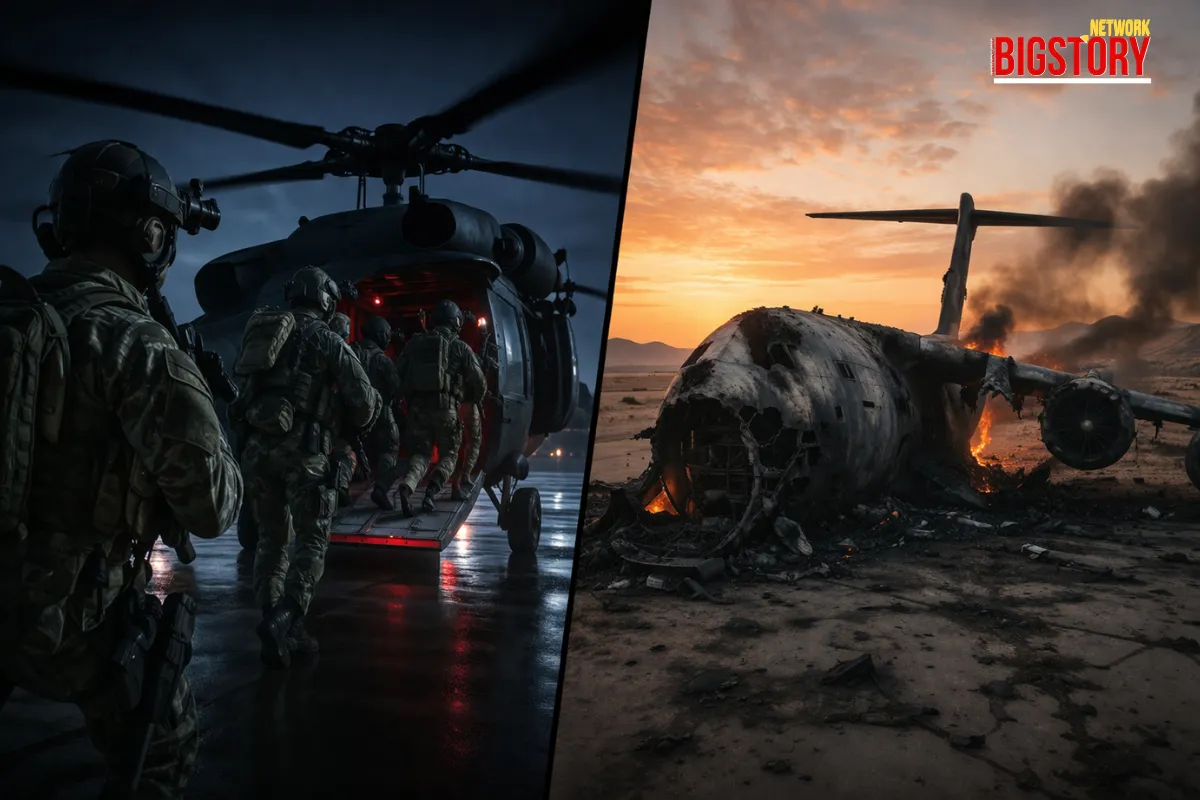
According to military statements, U.S. Navy SEAL Team 6 spearheaded the deep-entry extraction, utilizing an abandoned airport in the southern Isfahan province as a remote staging ground and landing zone.
The exit, however, was highly chaotic. Iran's Khatam Al-Anbiya central command quickly announced that Iranian forces had ambushed the staging ground, claiming the destruction of two U.S. C-130 transport planes and two Black Hawk helicopters.
Washington fiercely disputed this account while acknowledging a heavy operational loss. According to U.S. defense officials, two highly specialized MC-130J covert transport aircraft—costing over $100 million each—became stranded or malfunctioned at the remote airstrip. To prevent the advanced technology from falling into the hands of the Islamic Revolutionary Guard Corps (IRGC), U.S. forces intentionally blew up their own aircraft before evacuating.
The rescue was a race against time. The downed officer was stranded in mountainous terrain, armed only with a pistol and a secure communications device.
To buy time, the CIA reportedly ran a massive digital and intelligence deception campaign. U.S. intelligence fed false location data and spread rumors that the airman had already been extracted across intercepted channels, deliberately misdirecting IRGC search parties.
When the extraction finally occurred, it involved intense firepower. As SEAL Team 6 converged on the officer, U.S. fighter jets dropped bombs and strafed approaching Iranian military convoys to keep them at bay. Iranian state media reported that at least five people were killed in these covering strikes.
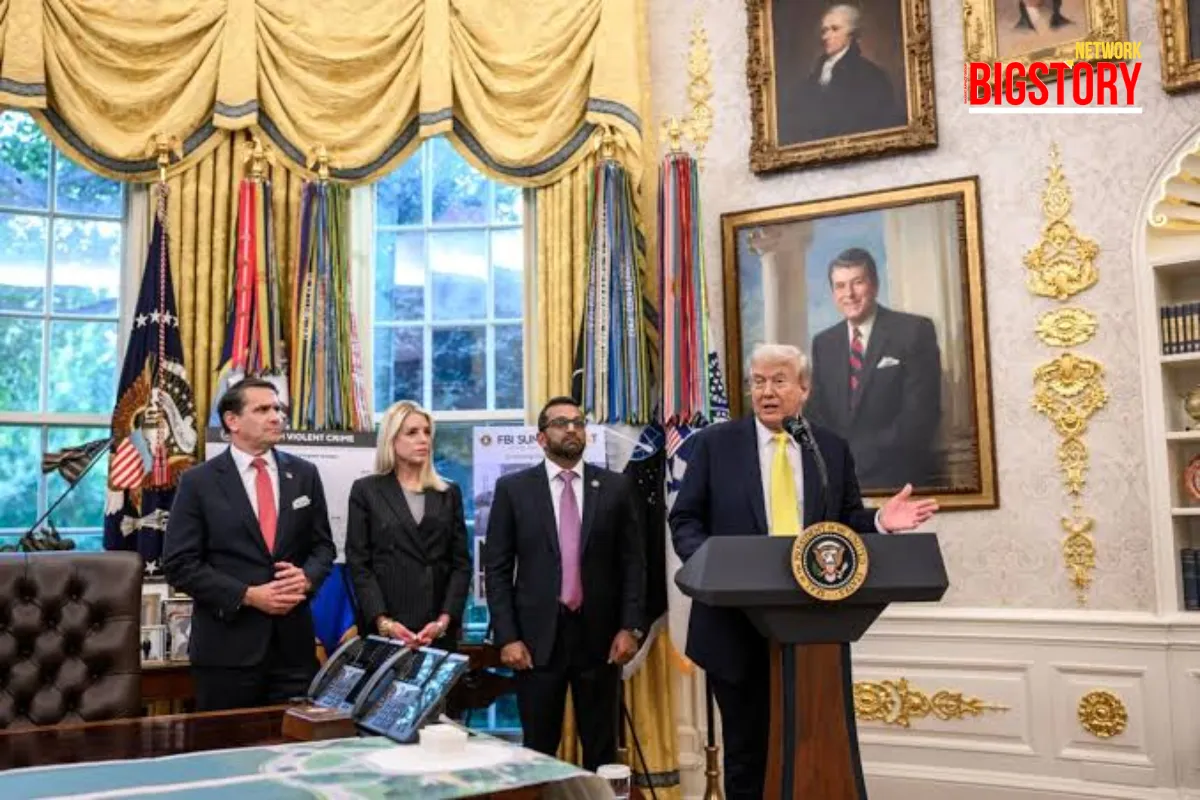
Monitoring the mission from the Situation Room, President Donald Trump took to Truth Social to herald the mission as "one of the most daring Search and Rescue Operations in U.S. History," confirming the Colonel sustained injuries but is currently "SAFE and SOUND."
While the White House is celebrating the safe return of the Colonel, the "Missed Angle" is the eerie historical parallel this mission strikes with Operation Eagle Claw.
In 1980, the U.S. attempted to rescue American hostages in Tehran using a remote desert staging area known as "Desert One." That mission ended in disaster when a U.S. helicopter collided with a transport plane, forcing American troops to abandon the flaming wreckage in the Iranian desert.
While the 2026 mission succeeded in its primary objective of saving the airman's life, the operational chaos is strikingly similar. Leaving behind the incinerated wreckage of two MC-130Js at an abandoned Isfahan airport hands Tehran an immense, highly visual propaganda victory. Iran's parliament speaker is already broadcasting images of the charred metal across state television, mocking the operation by stating, "If the United States gets three more victories like this, it will be utterly ruined."
News & Wire Coverage:
 Exclusive Content






Sign up for the Daily newsletter to get your biggest stories, handpicked for you each day.



 Trending Now! in last 24hrs