A potential power vacuum in Tehran has officially become the centerpiece of U.S. psychological warfare, sending global oil markets into a tailspin and threatening India's fragile diplomatic corridors in the Gulf.
 Sseema Giill
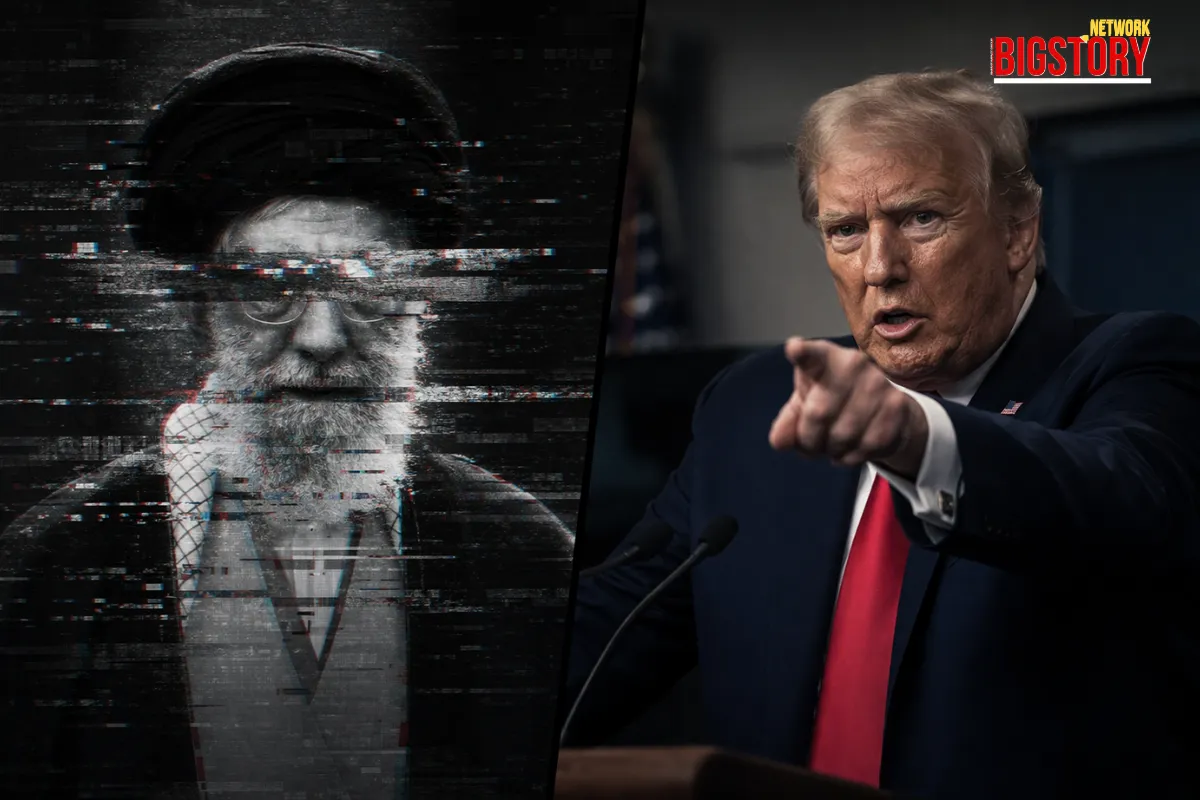
What happened: President Donald Trump has publicly claimed that the Supreme Leader of Iran is either "dead or in very bad shape," citing high-level intelligence sources.
Why it happened: The explosive claim comes after a 12-day public absence of the Iranian leader and arrives just as the U.S. openly considers seizing Iranian oil assets at Kharg Island.
The strategic play: Trump is likely weaponizing "leadership uncertainty" to trigger a collapse of morale within the Iranian military and encourage "regime change" from within to force a sudden end to the war. India's stake: Leadership instability in Tehran could lead to rogue attacks on Indian oil tankers and the 1 crore Indians in the Gulf, as the central command that guaranteed "safe corridors" may no longer exist. The deciding question: Is this a genuine intelligence leak about an incapacitated leader, or is Trump deploying high-stakes psychological warfare to force a surrender before his April 6 infrastructure deadline?
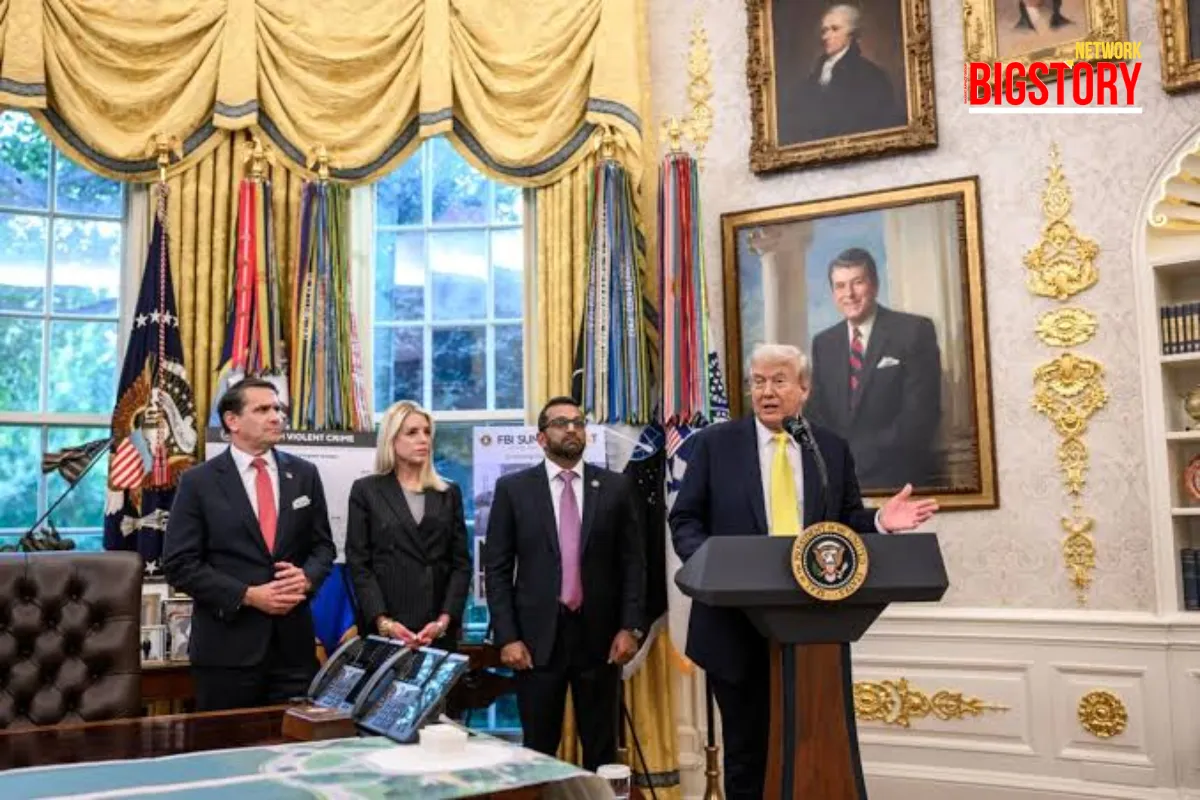
The possibility of a massive power vacuum in Tehran has officially become the centerpiece of U.S. psychological warfare. On Monday, March 30, 2026, President Donald Trump asserted in a high-profile interview that the Supreme Leader of Iran is either deceased or severely incapacitated.
Claiming his information comes from "very good sources" within the intelligence community, the President's explosive statement immediately sent global oil markets into a violent tailspin and triggered a furious, yet ambiguous, denial from Iranian state media.
The rumors of a leadership crisis have been simmering in diplomatic circles for over a week.
Donald Trump, President of the United States
By openly suggesting the Leader is dead, Trump is aggressively utilizing "leadership uncertainty" as a tactical lever. He is actively encouraging internal dissent and "regime collapse" narratives within Tehran, likely attempting to force an internal surrender to avoid the bloody necessity of a full-scale U.S. ground invasion.
The Assembly of Experts
If Trump's intelligence claims are accurate, Iran's 88-member Assembly of Experts—the constitutional body tasked with choosing the Supreme Leader—is likely already in an emergency, closed-door session. Any delay in an official announcement suggests a fierce, potentially violent internal struggle between Tehran's "Hardliners" and "Moderates" over who will take the throne during a time of total war.
Global Energy Markets
Financial stakeholders reacted immediately to the instability. Brent crude prices, already highly elevated at $116 a barrel, saw a sudden $4 "volatility spike" following Trump's comments, pushing dangerously close to the psychological $120 resistance level.
While Western media is obsessively focused on the "health watch" aspect of the Supreme Leader, the true "Missed Angle" is the terrifying impact of a leaderless Islamic Revolutionary Guard Corps (IRGC).
In Iran's complex power structure, the Supreme Leader serves as the final, rational check on the IRGC's sprawling network of proxy operations and missile commands. If he is incapacitated or dead, the central command structure shatters. Rogue or splintered IRGC commanders may launch desperate, unauthorized strikes on civilian targets and international shipping.
For New Delhi, a "bad shape" leader is infinitely more dangerous than a "stable" enemy. A power vacuum removes the single, unified point of contact for the backchannel diplomacy India has been successfully conducting via Pakistan and Egypt. Without a Supreme Leader to enforce agreements, the "safe corridors" India has negotiated for its oil tankers are essentially rendered void.
If the head of the regime has fallen, who is actually in control of the missiles currently aimed at the world's energy supply?
News & Wire Coverage:
 Exclusive Content

Sign up for the Daily newsletter to get your biggest stories, handpicked for you each day.

 Trending Now! in last 24hrs