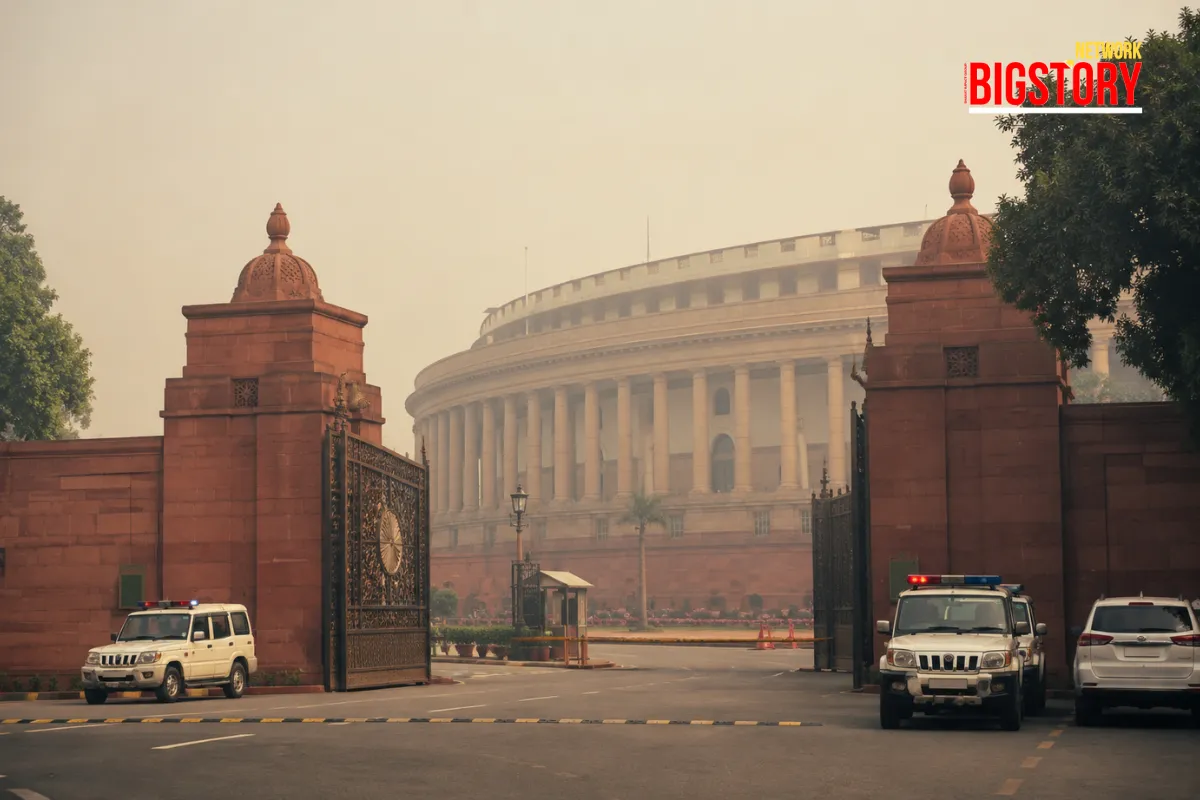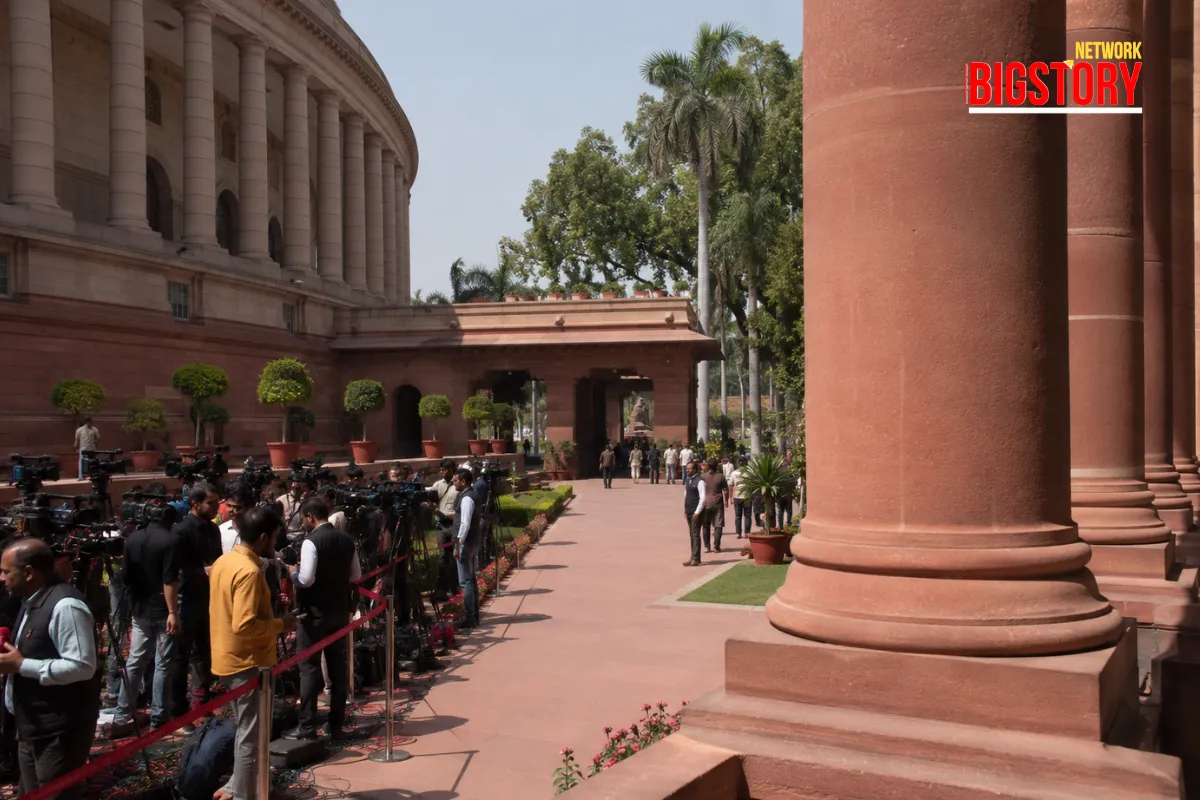
Leader of Opposition Rahul Gandhi labels the government "compromised" after the U.S. grants India a 30-day waiver to buy Russian oil. Inside the sovereignty debate.
 Brajesh Mishra
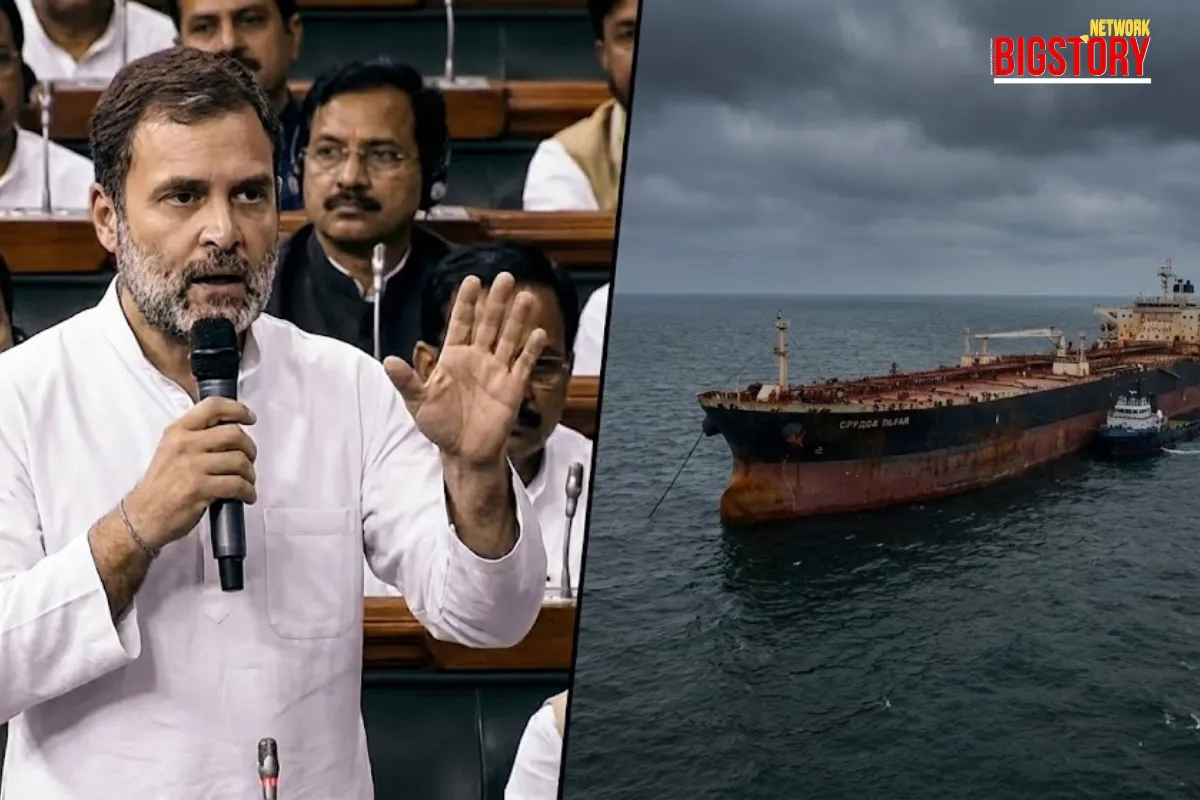
What Washington framed as a global economic rescue is being branded in New Delhi as a national humiliation. On Friday, the U.S. Treasury Department issued a 30-day "stop-gap" waiver allowing Indian refiners to purchase Russian crude stranded at sea, an emergency measure to prevent global oil prices from exploding amid the West Asia war. However, the domestic political reaction has been explosive. Leader of Opposition Rahul Gandhi immediately seized on the development, delivering a scathing indictment of the government by declaring that India's foreign policy is now dictated by the "exploitation of a compromised individual."
This matters because it transforms a complex energy crisis into a high-stakes battle over Indian sovereignty. For decades, New Delhi has fiercely guarded its strategic autonomy. Now, the Opposition is weaponizing the language used by U.S. Treasury Secretary Scott Bessent—who explicitly stated the U.S. is "allowing" Indian refiners to act—to paint the government as a subservient vassal state. Congress President Mallikarjun Kharge echoed the sentiment, stating that "no PM has buckled under pressure like this."
Mainstream media is covering this as a standard political clash over energy dependency. They are completely missing the strategic deployment of the "Epstein-Adani" Blackmail Narrative.
The Opposition isn't just criticizing a trade deal; they are building a narrative of personal compromise. By alleging that the Prime Minister surrendered "from trade to oil, from data to India's relationships," opposition leaders are explicitly linking this geopolitical pivot to alleged blackmail involving unverified international dossiers and corporate scandals. They are turning a macroeconomic reality—the closure of the Strait of Hormuz—into a narrative of personal scandal and foreign leverage.
Furthermore, watch the AI Targeted Clip Seeding. The Congress party is executing a masterclass in digital narrative building. Using AI-optimized distribution, they are actively resurfacing and amplifying a clip of Rahul Gandhi’s February 11 Lok Sabha speech, where he predicted that "the U.S. will decide who we can buy oil from." By placing this older clip side-by-side with today's U.S. Treasury announcement, they are successfully crafting a "Prophetic Leader" persona for Gandhi across social media.
The U.S. waiver prevents a massive spike in domestic petrol prices, but it comes with the optics of Washington dictating New Delhi's energy policy. Should the government prioritize economic solvency during a global crisis, or absolute sovereign independence regardless of the cost at the pump? Tell us in the comments.
 Exclusive Content


Sign up for the Daily newsletter to get your biggest stories, handpicked for you each day.

 Trending Now! in last 24hrs