Hitting a mathematically precise but historically complex milestone of 4,399 consecutive days, the milestone triggers a profound national reflection on two contrasting eras of the Indian Republic.
 Brajesh Mishra
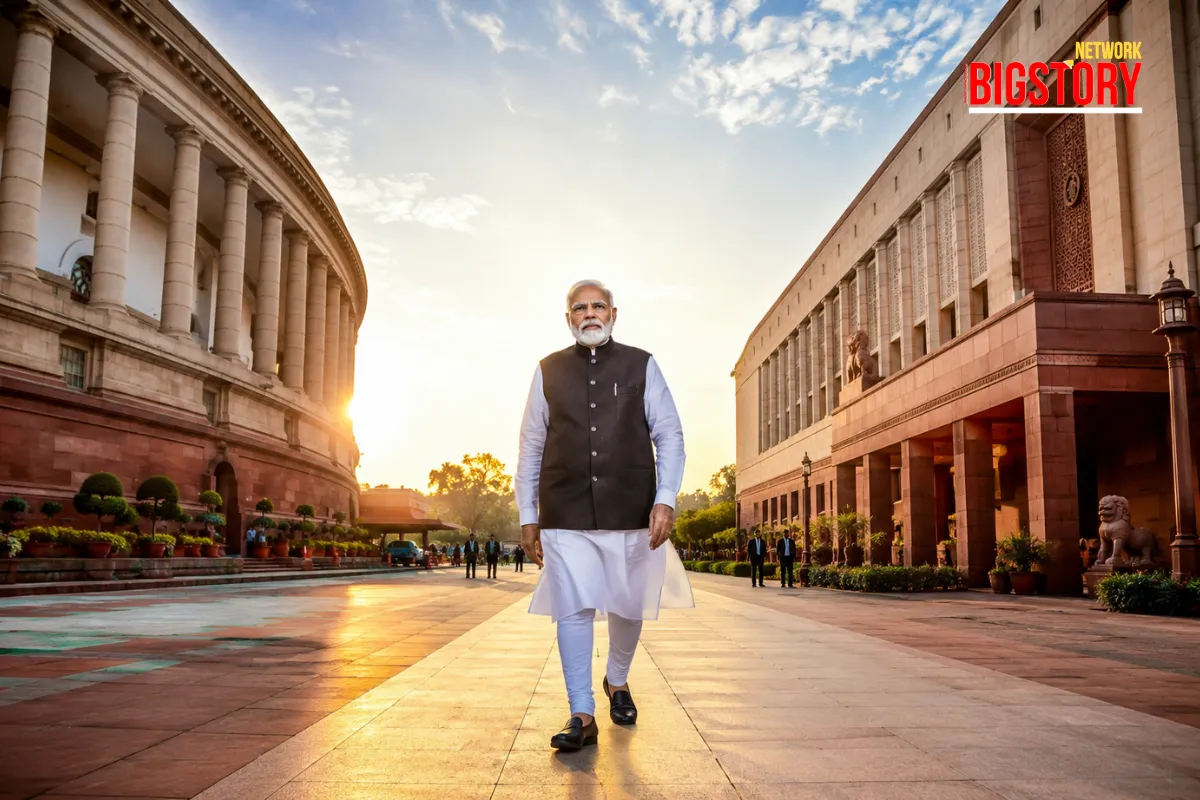
• What happened: On Wednesday, June 10, 2026, Prime Minister Narendra Modi officially completes 4,399 consecutive days in office, surpassing Jawaharlal Nehru to become India's longest continuously serving elected Prime Minister.
• The technical distinction: While Nehru's total time in office spanned 6,130 days, his tenure under the democratic Constitution post-1952 lasted 4,398 days. Modi’s milestone breaks this specific record of elected continuity.
• The structural shift: The milestone highlights a shift from Nehru’s post-colonial nation-building, secularism, and state-led industrialization to Modi’s civilizational nationalism, digital public infrastructure, and multi-alignment.
• Supporters' stance: Proponents view Modi as the architect of a "Second Republic," pointing to the resolution of intractable issues like Article 370 and the rapid expansion of technology-driven direct benefit welfare.
• Critics' warning: Opposition figures express concern over the centralization of power, arguing that the milestone comes alongside a persistent effort to erode the pluralistic institutional safeguards of the founding consensus.
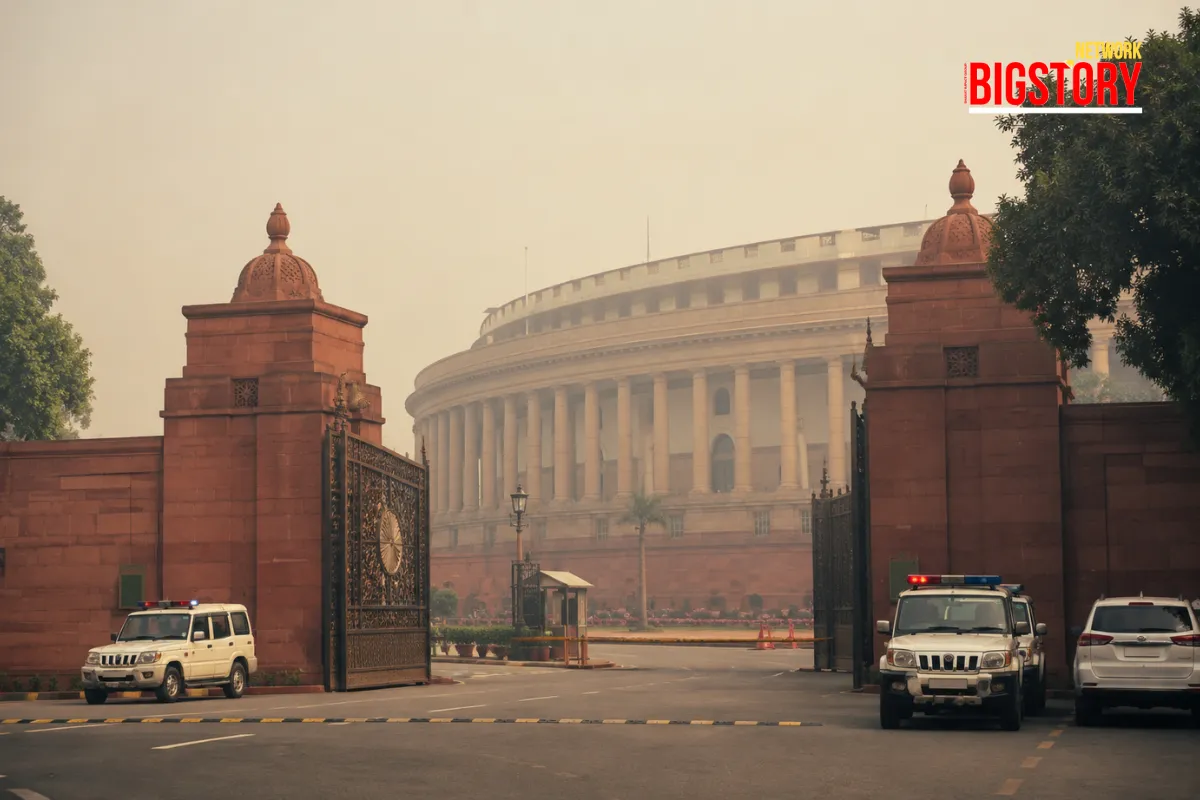
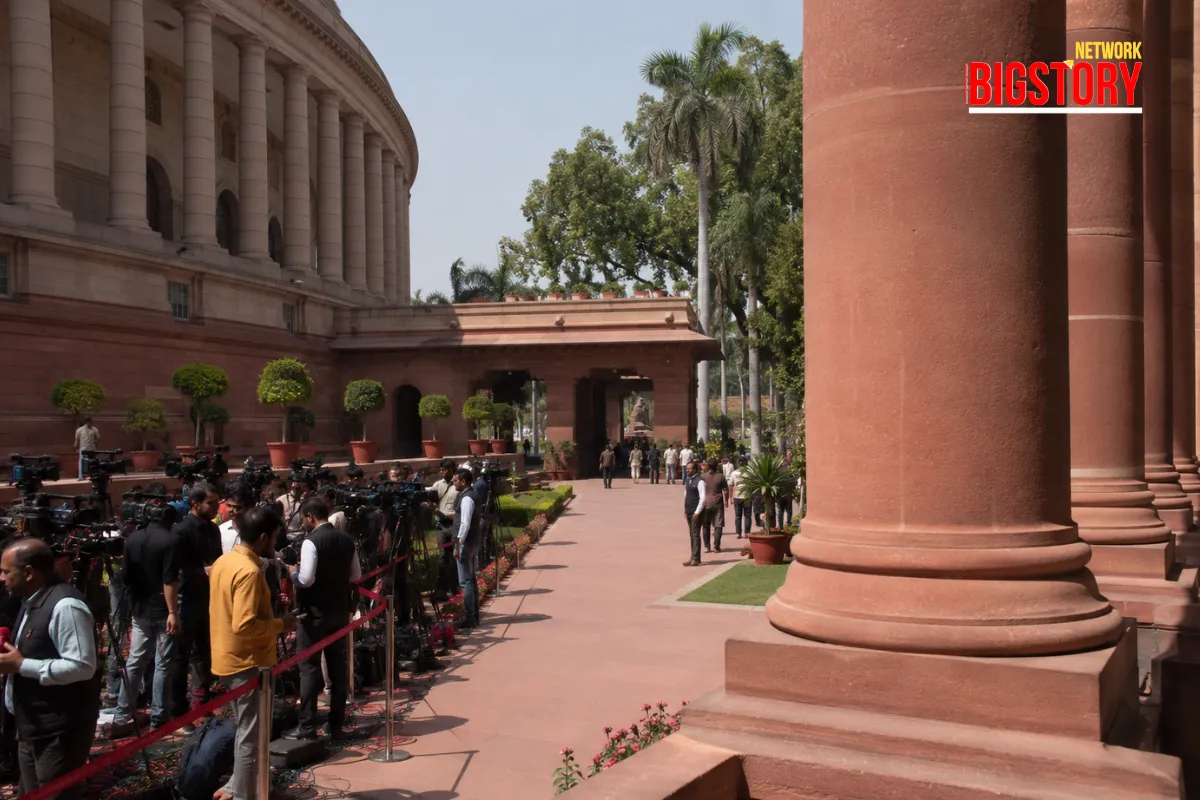
The political landscape of modern India has arrived at a historic mathematical crossover. On Wednesday, June 10, 2026, Prime Minister Narendra Modi will officially surpass Jawaharlal Nehru to become India's longest continuously serving elected Prime Minister, completing 4,399 consecutive days in office since his first oath of office in May 2014.
The milestone is mathematically precise but historically complex. To understand the record, a slight technical distinction is required: while Nehru's total time in office—including his leadership of the post-independence interim government from 1947 to 1952—spanned 6,130 days, the specific record being broken on June 10 relates strictly to continuous time served after being democratically elected under the Republic's formal Constitution. That elected tenure, running from May 13, 1952, to May 27, 1964, totaled exactly 4,398 days.
This numerical crossover is prompting political scientists, historians, and observers to deeply reflect on the contrasting eras, governance models, and legacies of the two most dominant political figures in post-independence India.
Nehru and Modi stand alone as the only two Indian Prime Ministers to secure three consecutive electoral mandates. However, their administrations operated within fundamentally different historical and structural contexts, mapping out completely distinct trajectories for the subcontinent:
The milestone has predictably polarized public and political discourse, acting as a mirror for how different segments of India view the country's trajectory.
For the ruling BJP and its supporters, this milestone validates a profound, permanent shift in Indian politics. Political commentators have described Modi not merely as an administrator, but as the principal architect of India's "Second Republic." Proponents emphasize the resolution of decades-old, intractable issues during his tenure—such as the abrogation of Article 370 in Jammu and Kashmir and the construction of the Ram Temple in Ayodhya.
Furthermore, his tenure is heavily defined by the massive scale of direct benefit transfers, near-universal digital connectivity, and aggressive physical infrastructure expansion. This has fundamentally shifted governance from slow bureaucratic management to direct, technology-driven delivery, while positioning India as an assertive player aggressively pursuing national interests on the global stage.
For the opposition and critics, the sheer longevity of the current tenure is viewed as a challenge to the health of the Republic's founding ideals. Critics argue that while Nehru focused heavily on building democratic institutions, fostering parliamentary debate, and respecting dissent, the current era is characterized by an intense centralization of power, the bypassing of routine parliamentary scrutiny, and the steady weakening of independent safeguards.
Observing Nehru's recent death anniversary, the Congress party emphasized that this milestone has been accompanied by a persistent, state-backed effort to denigrate Nehru's historic legacy. They argue that the current brand of cultural nationalism fundamentally challenges the pluralistic, secular framework envisioned by the founders of post-independence India.
The "Missed Angle" that separates this milestone from a simple calendar count is the total structural rewrite of how state power interacts with the individual citizen.
Nehru's continuous tenure relied on constructing an elite-led, institutional consensus that trickled down through traditional administrative channels. Modi's 4,399-day milestone, however, has been built on bypassing traditional intermediaries entirely through technology. By substituting traditional bureaucratic patronage with an unmediated digital welfare architecture, the executive has built an electoral feedback loop that operates independently of old-world media or institutional consensus.
Ultimately, the 4,399-day mark underscores a definitive historical truth: just as Jawaharlal Nehru shaped the foundational legal and physical infrastructure of the 20th-century Indian state, Narendra Modi has successfully rewired its 21st-century political, technological, and cultural machinery.
• Prime Minister's Office (PMO India): Official Profiles, Speeches, and Prime Ministerial Term Records
• Election Commission of India: Historical General Election Data and Constitutional Mandates
• The Hindu: National Bureau, Political History Analyses, and Parliamentary Trackers
• The Indian Express: Opinion Columns, Policy Shifts, and Modern Political Realignment News
 Exclusive Content






Sign up for the Daily newsletter to get your biggest stories, handpicked for you each day.


 Trending Now! in last 24hrs