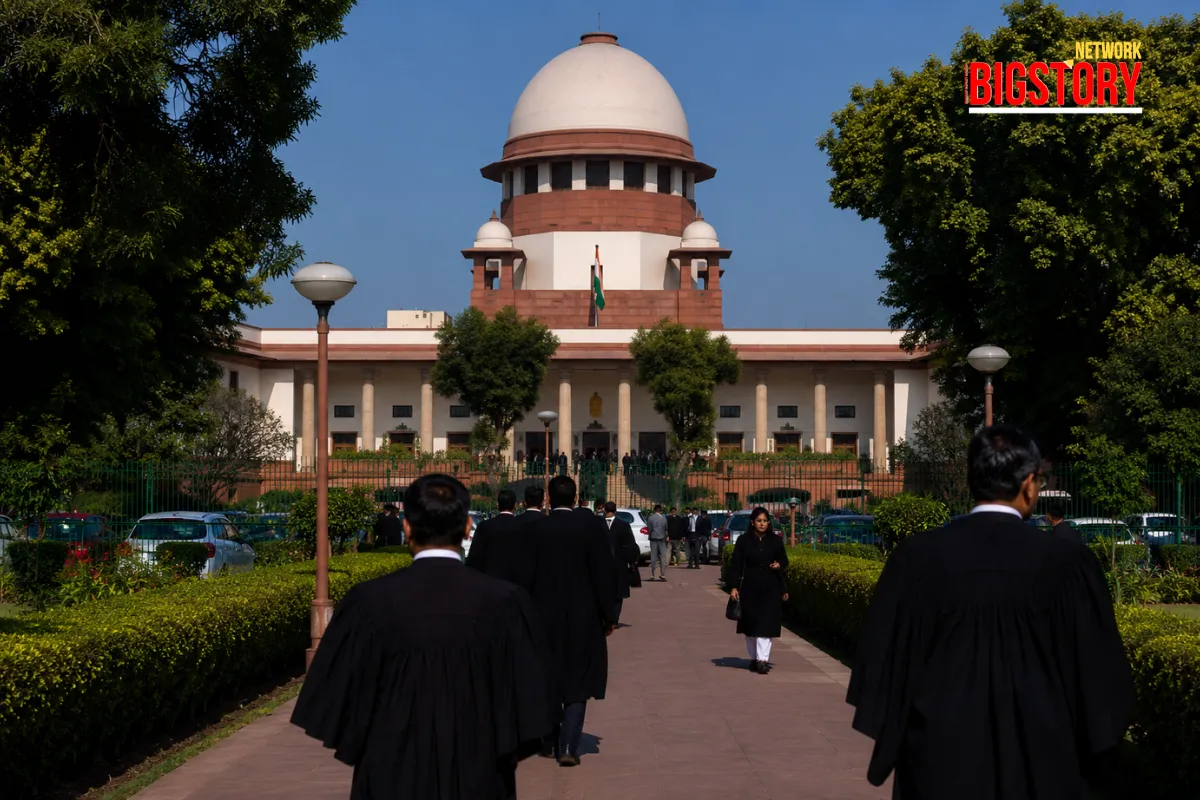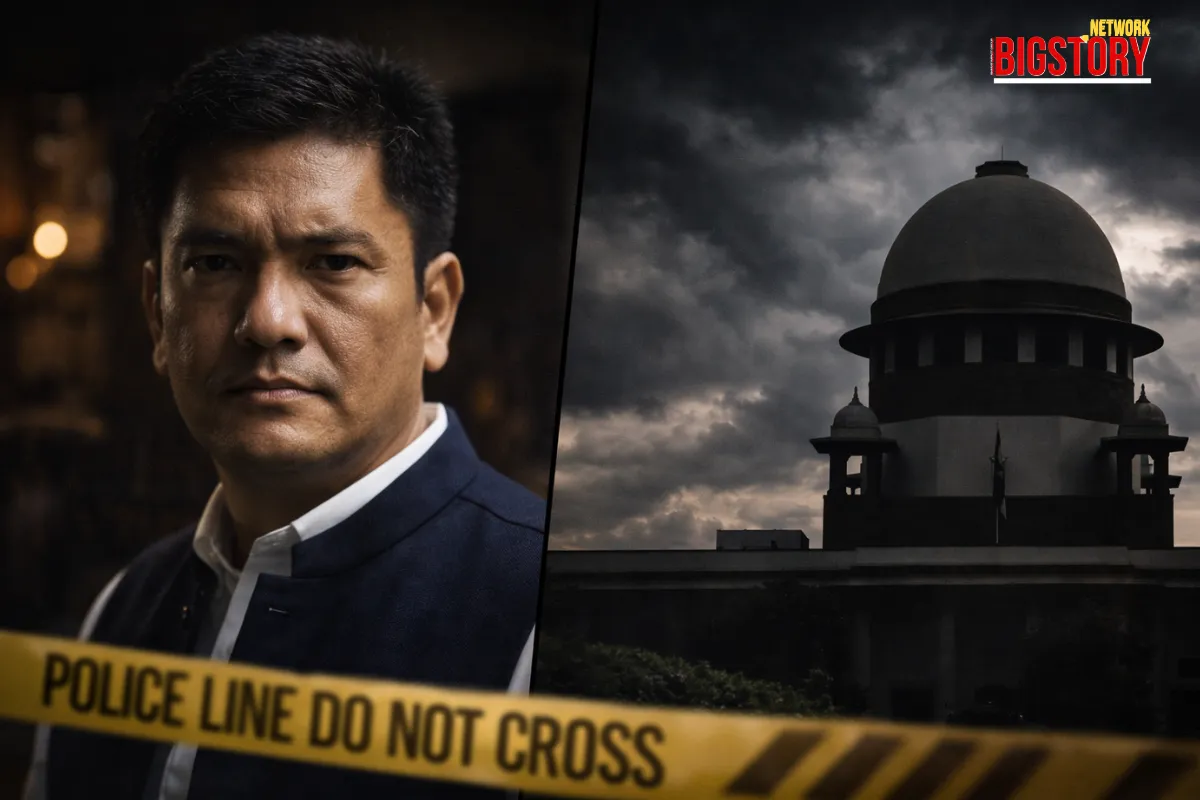
By legally classifying feeding tubes as a removable medical intervention and decentralizing the final decision to hospital boards, the apex court has permanently altered end-of-life care for thousands of trapped families.
 Brajesh Mishra
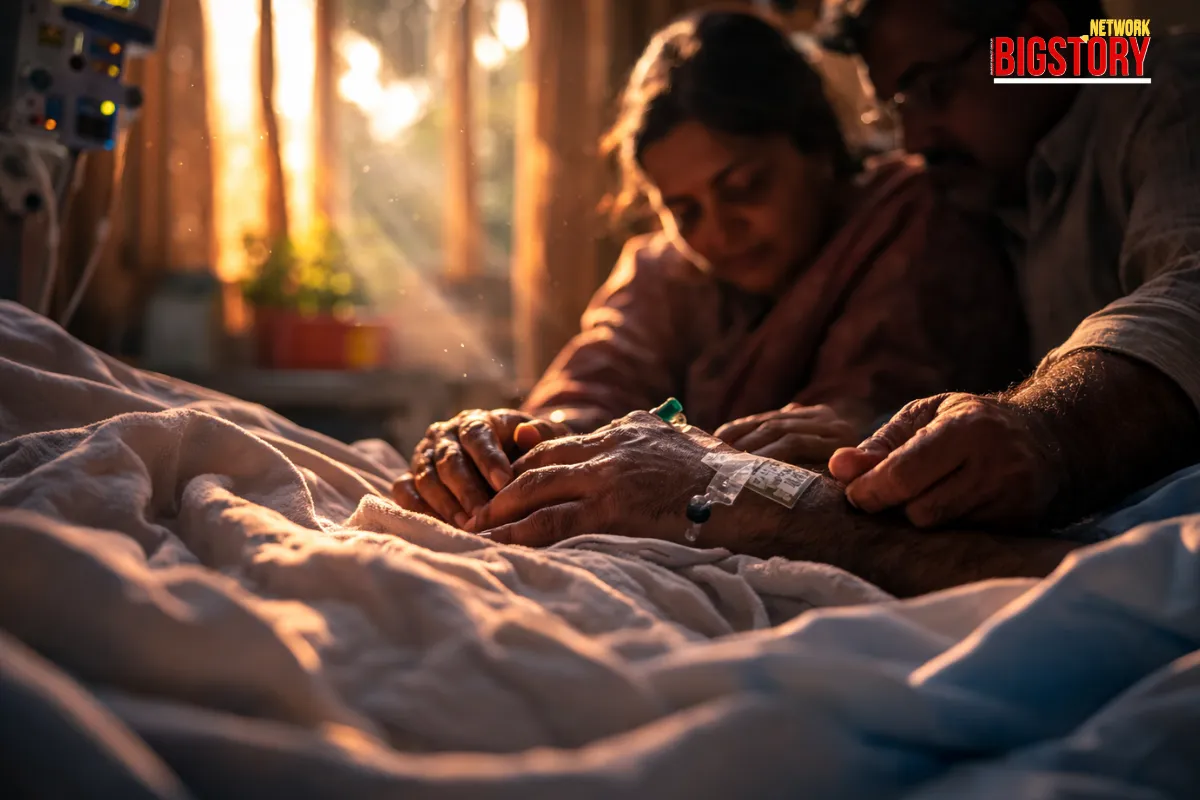
The supreme court passive euthanasia harish rana 2026 judgment delivered on Wednesday establishes a profound new precedent for end-of-life care in India. In an emotionally charged ruling, the apex court permitted the withdrawal of life-sustaining treatment for a 31-year-old man who has been locked in a permanent vegetative state for 13 years. This landmark decision fundamentally shifts the legal authority regarding the "Right to Die with Dignity" away from the courtroom and places it directly into the hands of medical professionals.
The ruling dramatically expands the legal definition of life support. By explicitly stating that families no longer need to endure agonizing, multi-year court battles if local medical boards achieve a unanimous consensus, the Supreme Court has finally removed a prohibitive, traumatizing legal barrier for thousands of Indian families caring for relatives with irreversible neurological damage.
Justice J.B. Pardiwala, Supreme Court of India Justice Pardiwala delivered the deeply emotional verdict. Visibly weeping while praising the parents' immense courage to let their son go, he framed the decision not as an abandonment of life, but as a profound act of compassion granting dignity to the irreversibly afflicted.
Harish Rana's Parents The petitioners fought a relentless, emotionally devastating legal battle. Having cared for their 100 percent quadriplegic, unresponsive son for over a decade, they sought legal relief out of the terrifying reality of who would manage his agonizing existence after they passed away.
Ministry of Health and Family Welfare The Union Government is now tasked with executing the court's structural mandates. The Supreme Court instructed the ministry to coordinate the establishment of standing panels for secondary medical boards across the country, urging them to urgently pass comprehensive legislation filling the current end-of-life care vacuum.
Mainstream coverage is heavily focused on the visceral courtroom drama, specifically Justice Pardiwala quoting Shakespeare's Hamlet and the educational distinctions between active and passive euthanasia. While emotionally resonant, this coverage entirely misses the critical legal paradigm shift achieved by this ruling: the aggressive redefinition of what constitutes "life support" under Indian law.
Previously, passive euthanasia in India was almost exclusively associated with the act of unplugging a mechanical ventilator. Harish Rana breathes independently; his physical existence is sustained entirely by Clinically Assisted Nutrition and Hydration (CANH) delivered through a PEG feeding tube. By legally classifying CANH as a "technological medical intervention" rather than mere "basic human care," the Supreme Court has dramatically widened the scope of passive euthanasia.
Furthermore, the court explicitly ruled that if both the primary and secondary hospital medical boards unanimously agree that a patient's vegetative state is irreversible, the family is no longer required to petition a High Court or the Supreme Court for permission to withdraw treatment. The Supreme Court effectively decentralized euthanasia, removing a massive, prohibitively expensive legal hurdle that previously trapped families in perpetual medical limbo.
If the Supreme Court recognizes that forcing a 100 percent quadriplegic patient to exist through a feeding tube violates human dignity, how quickly will Parliament act to protect the doctors now legally tasked with removing it?
News & Wire Coverage:
Official Statements & Data:
 Exclusive Content






Sign up for the Daily newsletter to get your biggest stories, handpicked for you each day.



 Trending Now! in last 24hrs