On the first anniversary of India's deadliest modern aviation disaster, a brutal standoff emerges between grieving families demanding a permanent memorial and state authorities rushing to demolish the crash site.
 Brajesh Mishra
• What happened: June 12, 2026, marks the grim first anniversary of the Air India Flight AI171 crash in Ahmedabad, which claimed 260 lives when a Boeing 787 Dreamliner slammed into the B.J. Medical College.
• The memorial dispute: The Gujarat state government, operating with funding assistance from the Tata Group, plans to demolish the damaged hostel blocks to construct new public facilities, vehemently rejecting demands from victims' families for a permanent, Kanishka-style memorial.
• The missing answers: The final investigative report by the Aircraft Accident Investigation Bureau (AAIB) remains heavily delayed as experts struggle to explain a chilling mystery: why the fuel control switches were manually moved to "CUTOFF" just seconds after takeoff.
• The strategic play: By aggressively pushing to demolish the impact site and build new facilities before the final investigation is even published, authorities are accused of attempting to physically erase the scars of the tragedy to sanitize corporate and state liability.
• The aftermath: With the definitive AAIB findings now anticipated within the next three months, grieving families are trapped in an agonizing bureaucratic limbo, fighting simultaneous battles for basic transparency and the preservation of memory.
A year ago, 32 seconds of catastrophic flight erased 260 lives and shattered thousands more. Today, June 12, 2026, marks the grim first anniversary of Air India Flight AI171, the Boeing 787 Dreamliner disaster that plummeted into the B.J. Medical College campus in Ahmedabad.
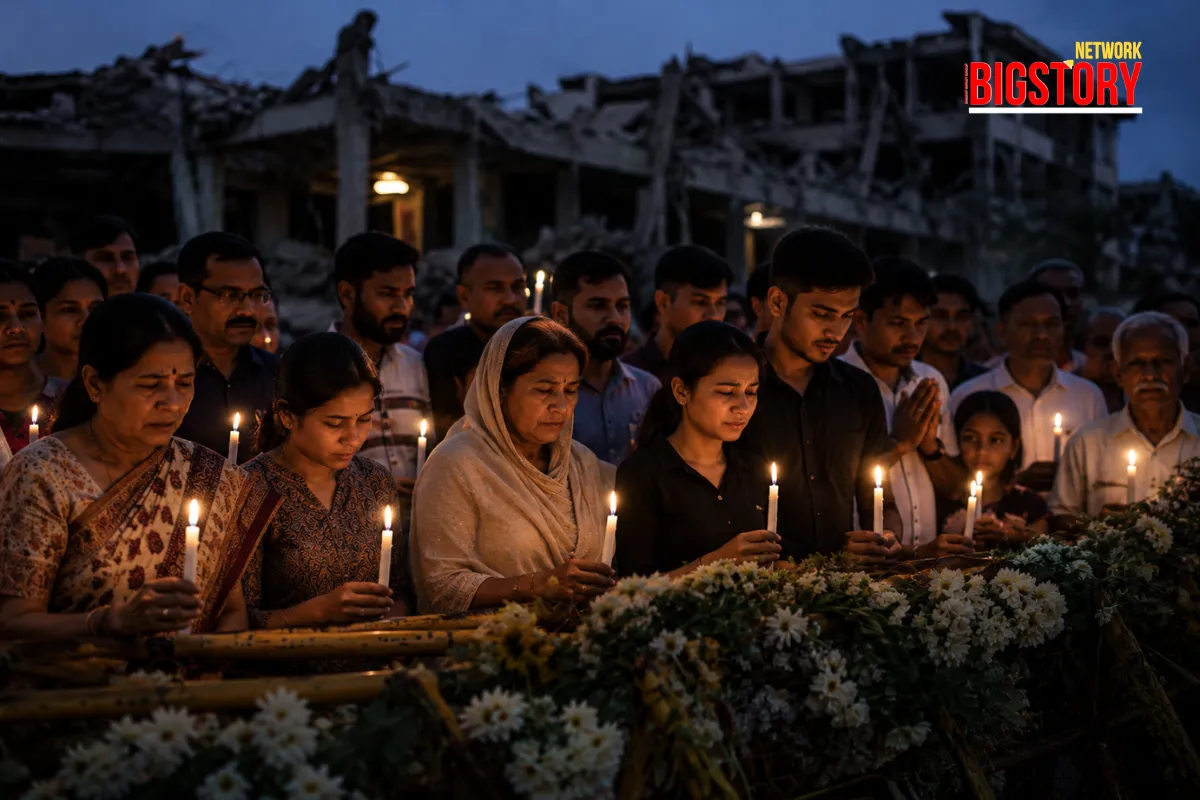
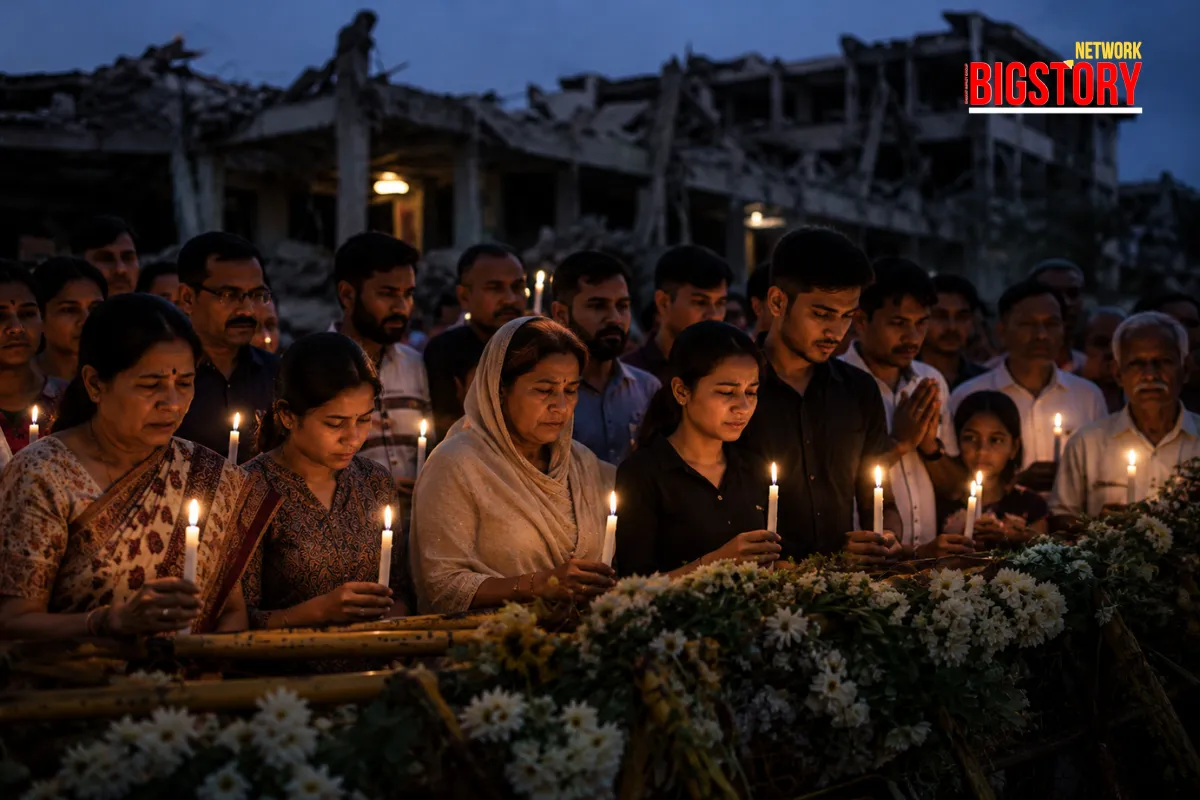
As grieving families gather for solemn prayers and candlelight tributes near the cordoned-off crash zone, their mourning is compounded by an infuriating reality: 365 days later, the state is attempting to physically pave over the tragedy while central investigative agencies still cannot explain exactly why the plane fell from the sky.
The most immediate battleground is the physical crash site itself. A bitter standoff has erupted between the relatives of the victims and the Gujarat state government over the public preservation of memory.
State authorities, operating with funding assistance from the Tata Group (which currently owns Air India), have finalized administrative plans to completely demolish the heavily scorched and structurally compromised hostel blocks of B.J. Medical College. In their place, the government intends to construct entirely new public utility facilities, explicitly ruling out the construction of any dedicated memorial at the epicenter of the tragedy.
The victims' families are fiercely opposing this rapid demolition. Formally petitioning civil aviation authorities, they argue that the blackened ruins are the final physical link to the irreversible loss of their loved ones. They are demanding the establishment of a permanent, solemn memorial—drawing direct parallels to the memorial erected in Ottawa to honor the victims of the 1985 Air India Flight 182 Kanishka bombing. For the relatives, a memorial is not just about local grief; it is a permanent, public indictment that demands continuous safety accountability from the aviation industry.
The pain of impending physical erasure is severely exacerbated by an ongoing investigative void. For the families, closure remains utterly impossible because the official narrative remains dangerously incomplete.
The Aircraft Accident Investigation Bureau (AAIB) was widely expected to release its final, definitive report to coincide with this first anniversary. Instead, the probe has been significantly delayed. Investigators are currently bogged down in complex, microscopic examinations of the aircraft's GE Aerospace engines and its deeply integrated digital control systems.
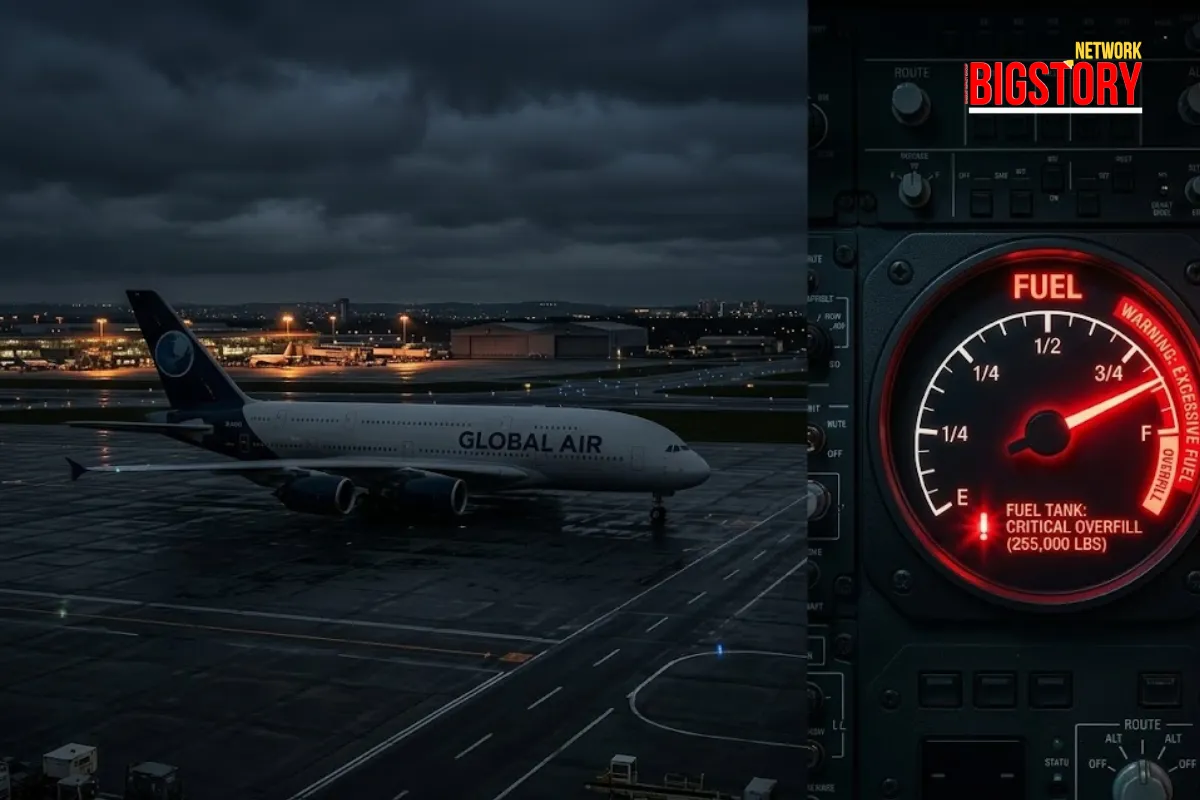
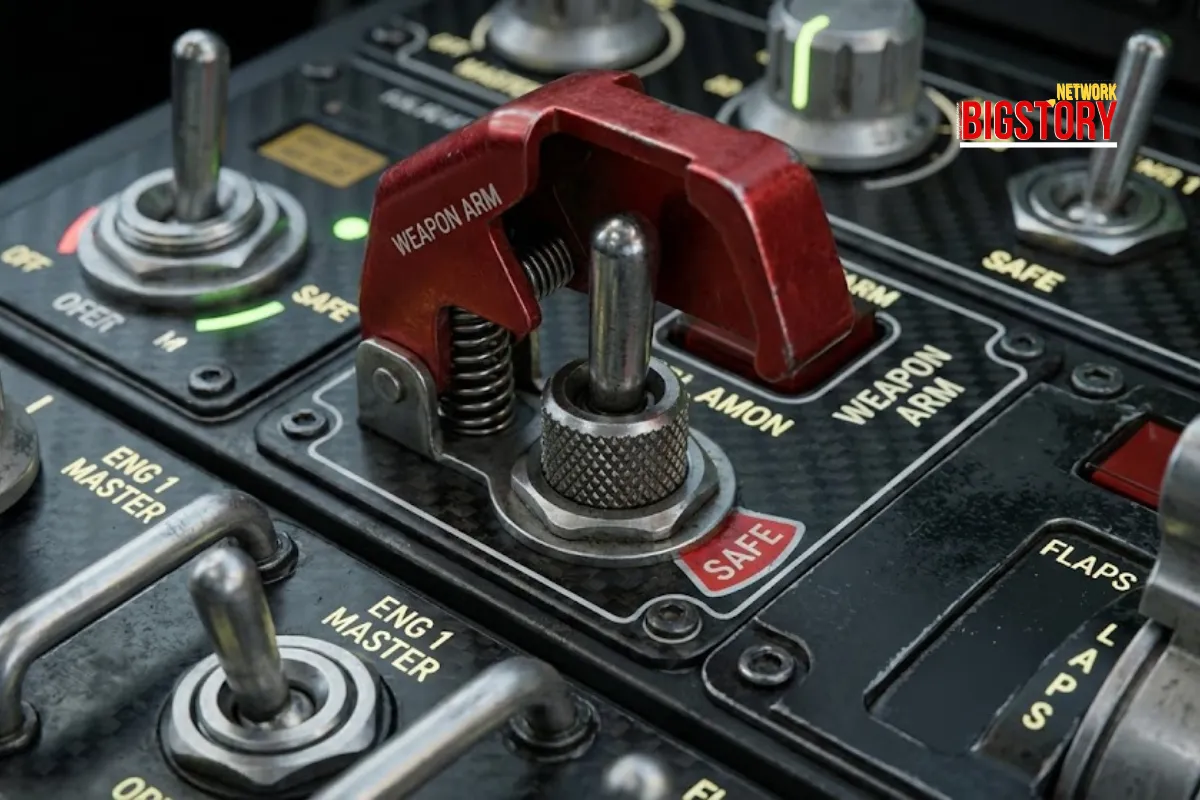
The delay centers on a chilling detail exposed in last year's preliminary report: mere seconds after the Dreamliner achieved liftoff, both engine fuel control switches were inexplicably moved from "RUN" to "CUTOFF" almost simultaneously. This deliberate or critically flawed mechanical action starved the twin engines of fuel, causing a catastrophic, unrecoverable loss of thrust.
However, the report stopped short of answering the most vital question in modern aviation history: Why were the switches moved? Was it a catastrophic pilot error, a terrifying electronic malfunction, or an unprecedented mechanical failure?
While mainstream coverage treats the memorial dispute and the AAIB delay as separate administrative issues, the "Missed Angle" here is how deeply intertwined they truly are.
By aggressively pushing to demolish the impact site and rebuild public facilities before the final AAIB report is even published, the state and corporate stakeholders are executing a rapid sanitization of liability. The physical presence of the ruined hostel is a towering, unavoidable reminder of potential systemic negligence. By erasing the visual scar of the crash, the authorities can tightly control the public narrative, shifting the visual focus from corporate accountability to forward-looking "redevelopment."
Investigators are now expected to issue a brief interim status update, with the final conclusive findings pushed back by at least three months. Until the AAIB can definitively explain the dual-engine shutdown, the families of AI171 remain trapped in an agonizing bureaucratic limbo—fighting a desperate, lonely battle to ensure that both the unvarnished truth of the crash, and the memory of its 260 victims, are not quietly bulldozed into history.
• Aircraft Accident Investigation Bureau (AAIB): Official Aviation Bulletins, Preliminary Crash Reports, and Safety Mandates
• Ministry of Civil Aviation: Regulatory Directives, Aviation Safety Guidelines, and Tata Group Correspondence
• The Hindu: National Bureau, Aviation Tragedy Trackers, and Legal Memorial Disputes
• The Indian Express: Gujarat State Bureau, Victims' Petitions, and Corporate Accountability Reporting
 Exclusive Content





Sign up for the Daily newsletter to get your biggest stories, handpicked for you each day.


 Trending Now! in last 24hrs