From untreated sewage to industrial chemicals and microplastics, discover why rivers like the Ganges are dying and what governments, communities, and individuals must do before it is too late.
 Rashmeet Kaur Chawla
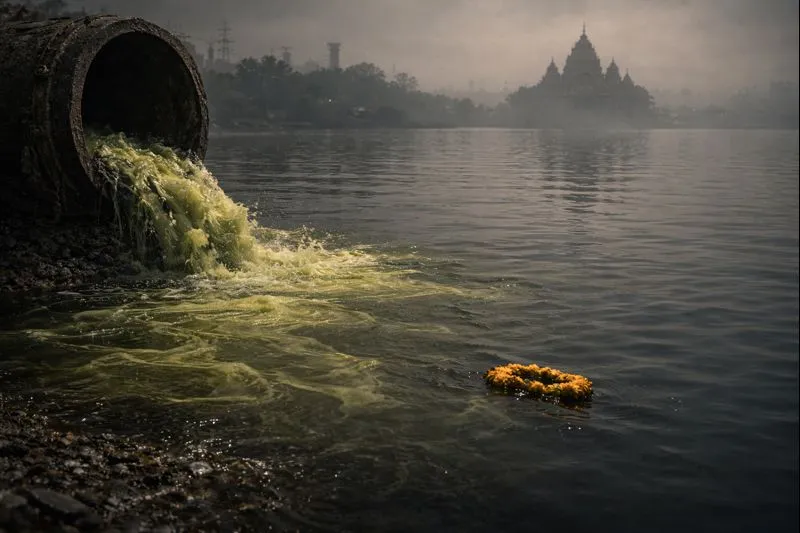
From untreated sewage to industrial chemicals and microplastics, discover why rivers like the Ganges are dying and what governments, communities, and individuals must do before it is too late.
The Ganges River has been central to the life of millions of people in India for centuries, revered as a sacred source of life. It is the source of water for drinking, irrigation, fishing, and religious ceremonies. However, the very river that is revered as "Mother Ganga" is now one of the most polluted rivers in the world.
According to researchers, the quality of water in the Ganges has deteriorated drastically, with increasing concentrations of toxic chemicals, heavy metals, and disease-causing bacteria. In several parts, the river water is not even safe for bathing or household purposes.
Moreover, the Ganges is not the only one facing this issue. Most of the major rivers in India are experiencing pollution of similar scale. Dumping of toxic wastes, discharging of untreated sewage, plastic materials, and chemicals from industries are making these rivers environmental and health hazards. It is a painful irony: the rivers that once gave life to many civilizations are now the ones struggling to survive.
Environmental activist Rajendra Singh, who is also known as the "Waterman of India, " has said:
"If we keep destroying our rivers, the ones who come after us will have nothing but deserts."
The pollution of rivers such as the Ganges can not be blamed on one single cause. It is the consequence of many human actions that have escalated during the years.
1. Untreated Sewage and Urban Waste
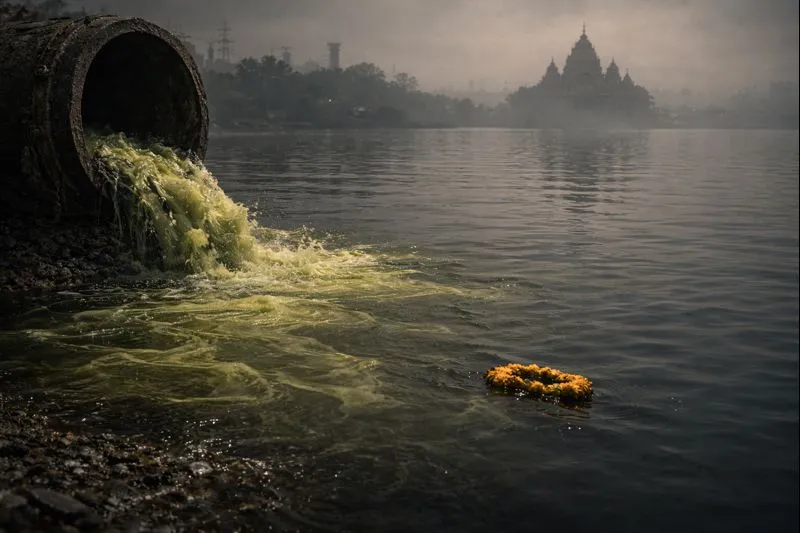
Possibly the biggest contributor is untreated sewage. Cities along the Ganges generate billions of liters of wastewater every day but the sewage treatment systems are lackluster. So, huge quantities of raw sewage end up being discharged in the river.
This wastewater contains harmful bacteria, organic waste, and pathogens that contaminate the river and make it unsafe for human contact.
2. Industrial Effluents
Industries like tanneries, textile mills, and chemical factories discharge dangerous chemicals in rivers. These substances include heavy metals such as chromium, lead, mercury, and cadmium that gather in the riverbed and harm aquatic life.
Experts warn that such chemicals can infiltrate the food chain via fish and water, thereby placing humans at the risk of health hazards over time.
3. Agricultural Runoff
Fertilizers and pesticides are also responsible for river pollution. When it rains, these chemicals get carried away into rivers, resulting in the nutrient enrichment of water which then triggers the unchecked growth of algae. This algae bloom depletes the oxygen available, resulting in the death of fish and other aquatic life forms.
4. Plastic Waste and Religious Offerings
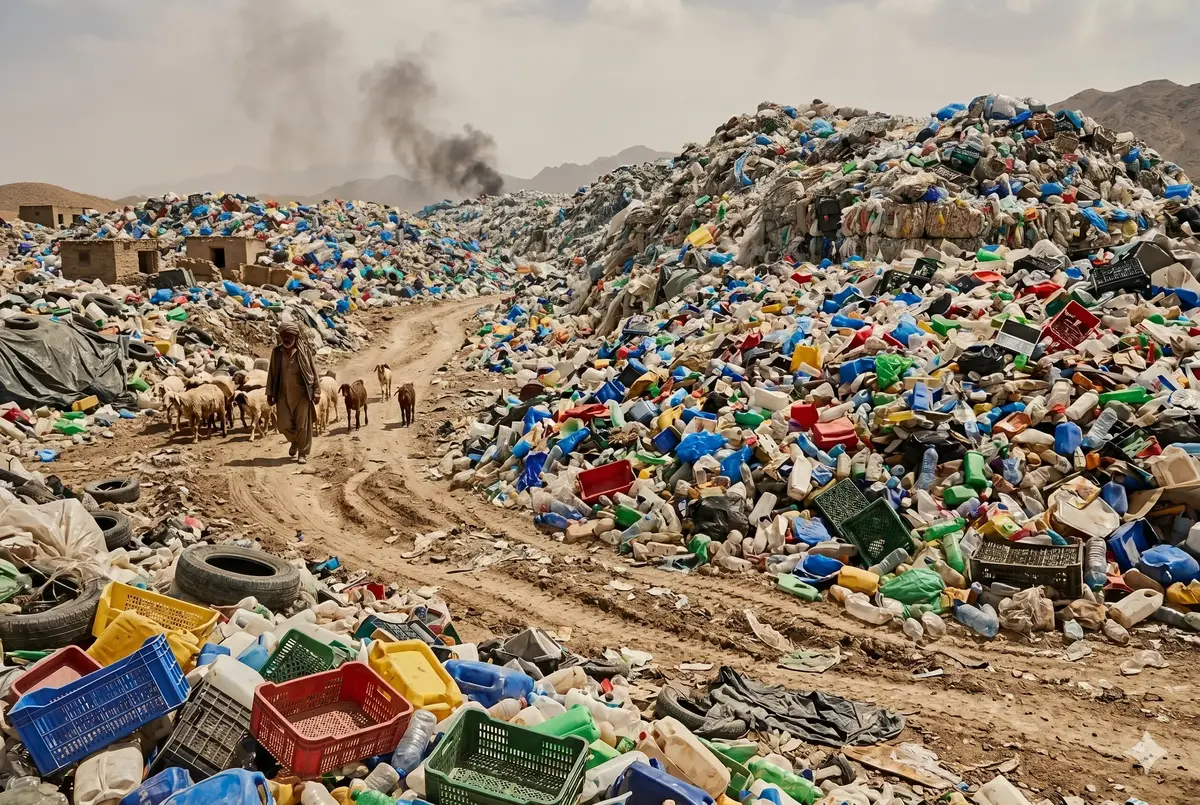
Plastic bags, packaging, and ritual offerings wrapped in plastic are commonly disposed of in the river. Research has revealed the presence of large amounts of microplastics in the Ganges which are almost impossible to remove and pose a threat to wildlife.
River pollution is not only a threat to the environment but also a major cause of public health issues.
Research shows that the contaminated Ganges water has elements that can cause cancer such as arsenic, chromium, nickel, and lead. The risk of developing serious diseases, including cancer, can be greatly increased by prolonged contact with these substances.
In some parts of the world, people still use river water for consuming, washing, and farming. Their exposure to contaminants leads to a very high rate of health issues such as:
Cholera and typhoid
Skin infections and allergies
Gastrointestinal diseases
Cancer induced by toxic heavy metals
In the most polluted areas of the river, communities have been complaining about increasing health problems related to the consumption of contaminated water, with toxic substances also going down through the groundwater and raising the problem of pollution more broadly.
Environmentalist Sunita Narain once maintained that:
"Water pollution is not just an environmental issue, it is a matter of human survival."
Harming Biodiversity and Ecosystems
The environmental effects are also very concerning.
The Ganges has a wide variety of aquatic life ranging from fish to turtles to the endangered Ganges river dolphin. With the continuous assault of pollution, these delicate environments are being wiped out. Chemicals that are harmful even at very low concentrations decrease the oxygen supply and kill water species.
Heavy metals get deposited in the flesh of fish and other animals, as a result of which, humans who are at the top of the food chain get exposed to the highest amount of toxins.
Plastic debris and tiny plastic particles cause even more harm to water creatures, as most of them mistakenly consume plastic fragments.
Aside from biodiversity loss, the disappearance of a particular species eventually leads to the complete destruction of the whole ecosystem which supports life in that area. When biodiversity disappears, ecosystems start to collapse, fisheries are lost and human communities that rely on fishing are left without their source of income.
As a matter of fact, different solutions to the problem of water pollution are definitely there under the condition that governments, communities and individuals put their efforts together.
Improving Wastewater Treatment
Modern sewage treatment plants must be funded by cities in order to prevent the release of untreated waste into rivers.
Strict Industrial Regulations
Industries must comply with strict environmental standards and treat their waste sufficiently before discharging it into water bodies.
Reducing Plastic Waste
The prohibition of single-use plastics and the enhancement of recycling systems can be very effective in reducing pollution of rivers.
Sustainable Agriculture
By implementing environment-friendly methods of farming, farmers can cut down fertilizer and pesticide usage.
Every citizen is also individually responsible for the protection of rivers.
Do not throw waste or plastics in rivers and drains
Join river-cleaning and awareness-raising campaigns
Reduce the usage of plastic in everyday life
Work with organizations committed to river conservation
Encourage eco-friendly religious practices
Even though a small action, when multiplied by millions of people, can be changed into a very great impact.
Waterways, such as the Ganges, represent more than just geographical features; in fact, they epitomize cultures, histories, and altogether, act as a source of life. It is humanity that they have supported for millennia. In fact, they are asking for aid today.
Rivers can only end up as stretches of water on maps of the past if drastic measures are not taken to conserve them and here lies the justification for why the issue deserves our attention. Saving our rivers not only means the survival of nature but also of human health and the continuing existence of the planet.
Here is the powerful statement by the environmentalist Vandana Shiva:
"Water is not a commodity, it is life."
The question now is simple but urgent: Will we act in time to save our rivers, or will we allow them to disappear under the weight of our neglect?
Sources:
https://www.sciencedirect.com/science/article/abs/pii/S0160412018308845#:~:text=Conclusion,cause%20serious%20illness%20including%20cancer.
https://nmcg.nic.in/pollution.aspx#:~:text=Ganga%2C%20in%20some%20stretches%2C%20particularly,that%20need%20a%20comprehensive%20response.
https://www.researchgate.net/publication/37704542_On_the_Banks_of_the_Ganga_When_Wastewater_Meets_a_Sacred_River
https://www.indiawaterportal.org/rivers-and-lakes/rivers/ganga-in-crisis-pollution-and-health-risks-rise-in-prayagrajs-sacred-rivers
https://gangaaction.org/actions/issues/
https://justlearning.in/Technology/ganges-river-pollution-a-case-study-of-causes-of-ganges-river-pollution/2021-02-21
https://illuminem.com/illuminemvoices/unveiling-the-grim-reality-exploring-the-most-polluted-rivers-in-the-world
https://earth5r.org/sustainable-hooghly-river-restoration/
https://india.mongabay.com/2025/06/toxic-water-flows-forcing-out-people-and-biodiversity/
https://iucn-csg.org/wp-content/uploads/2010/03/Final-IUCN-Publication-Jan-7-2015-1.pdf
https://nmcg.nic.in/pollution.aspx
 Exclusive Content





Sign up for the Daily newsletter to get your biggest stories, handpicked for you each day.

 Trending Now! in last 24hrs